Cosmetic Dentistry in Ramsgate, Sydney: What to Expect and How to Choose

A healthy, well-aligned smile can have a meaningful impact on comfort and everyday quality of life. For patients in Ramsgate, Kogarah, Rockdale, Hurstville, and across the St George area, justSMILE offers a range of cosmetic dental treatments designed to improve the appearance of teeth while supporting long-term oral health.

This article explains what cosmetic dentistry involves, which treatments may be appropriate for different concerns, and what patients can realistically expect — including the limitations that are just as important to understand as the benefits.

What is cosmetic dentistry?

Cosmetic dentistry refers to treatments that focus primarily on improving the appearance of teeth and gums. Common procedures include:

  • Porcelain veneers — thin shells bonded to the front surface of teeth to improve shape, colour, or size
  • Dental crowns — full-coverage restorations that protect damaged teeth while improving their appearance
  • Tooth whitening — professional-grade whitening to brighten enamel discolouration
  • Invisalign clear aligners — removable aligners that gradually improve tooth alignment
  • Dental implants — a permanent tooth replacement option that supports facial structure and function
  • Composite bonding — tooth-coloured resin applied to repair minor chips, gaps, or discolouration

While these treatments are primarily aesthetic, many also provide functional benefits. Straightening misaligned teeth makes them easier to clean and reduces the risk of uneven wear. A veneer placed over a chipped tooth protects the underlying enamel. At justSMILE, we take a holistic view — cosmetic improvements should also contribute to the health and stability of your teeth over time.

Who may be suitable for cosmetic dental treatment?

Cosmetic dentistry may be worth exploring if you are concerned about:

  • Teeth that are discoloured, stained, or uneven in shade
  • Chips, cracks, or worn edges that affect the appearance of your smile
  • Gaps or spacing between teeth
  • Mild to moderate misalignment
  • Missing teeth that affect both appearance and function
  • Old dental work that has deteriorated and needs updating

Suitability depends on the health of your gums and teeth, the degree of change desired, and your overall dental history. A thorough consultation and examination are essential before any treatment is recommended. For example, whitening works well when discolouration is surface-level, but if staining is caused by trauma or developmental changes to the tooth structure, veneers or crowns may be a more appropriate option. Invisalign is effective for many mild-to-moderate alignment concerns, but more complex movements may require traditional orthodontic appliances.

These decisions are made on a case-by-case basis. There is no universal treatment plan, and what works well for one patient may not be appropriate for another.

Benefits and realistic expectations

When cosmetic dental treatments are chosen carefully and carried out with precision, the results can be significant. Treatments such as crowns and veneers can restore structural integrity to weakened teeth, while orthodontic care reduces the risk of uneven wear and improves hygiene by making teeth easier to clean.

That said, it is important to have realistic expectations. Individual results vary and cannot be guaranteed. Some important considerations:

  • Whitening does not produce permanent results. Ongoing maintenance is required to preserve brightness, and the degree of improvement varies between individuals depending on the cause and nature of the discolouration.
  • Veneers and crowns are durable but are not permanent. They will require replacement at some point, particularly if subjected to excessive force from grinding or clenching.
  • Orthodontic results require maintenance. Retainers must be worn as directed to prevent teeth from shifting back toward their original position.
  • Dental implants require excellent ongoing hygiene and regular professional monitoring. Without this, complications such as peri-implantitis can develop.
  • All dental procedures carry risk. Before proceeding with any treatment, patients are encouraged to seek a second opinion from an appropriately qualified health practitioner.

Understanding both the possibilities and the limitations of cosmetic dentistry helps patients make decisions that are informed and realistic — and leads to outcomes they are genuinely happy with in the long term.

Caring for your cosmetic dental treatment

The longevity of any cosmetic treatment depends largely on the care taken after the procedure. Daily brushing and flossing remain the foundation of good oral health for both natural teeth and restorations. Professional cleans and regular dental check-ups allow us to monitor gum health, check the condition of veneers, crowns, or implants, and identify any changes early.

Lifestyle factors also play a significant role. Smoking and excessive alcohol consumption can affect healing and increase the risk of complications. Patients who grind or clench their teeth may benefit from a custom-fitted night guard to protect their restorations and natural enamel. Diet matters too — limiting acidic and sugary foods and drinks helps preserve both teeth and dental work.

Cosmetic treatments are not maintenance-free. At justSMILE, every patient receives specific aftercare advice tailored to their treatment and circumstances.

Planning your smile at justSMILE Ramsgate

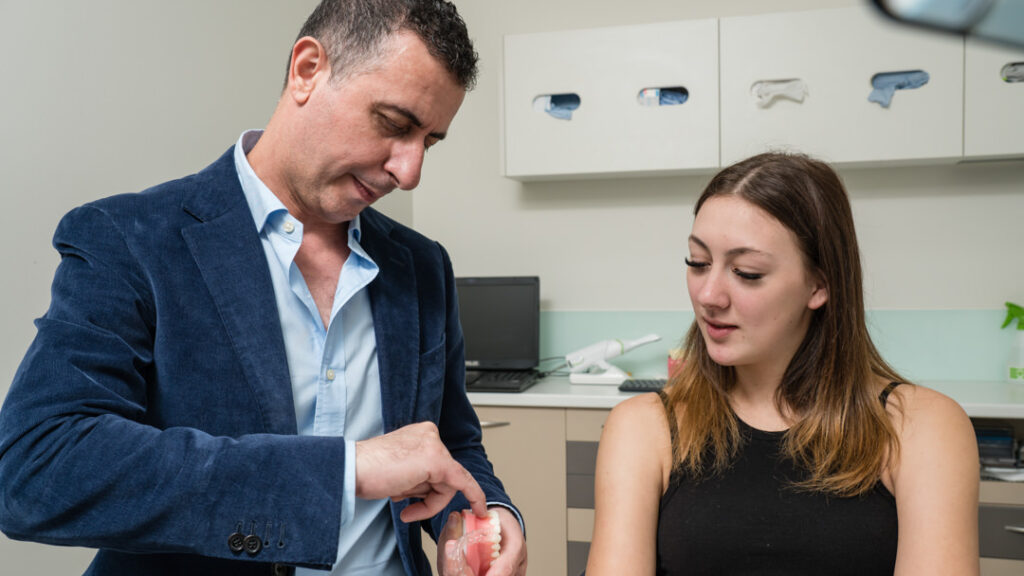
At our Ramsgate Beach practice, we use Digital Smile Design (DSD) technology to help patients visualise potential outcomes before any treatment begins. Using photographs and digital modelling, Dr. Rammo can create a simulation of how proposed changes may look — giving patients the opportunity to provide feedback and be involved in the planning process from the start.

This is followed by a trial phase using temporary restorations, so patients can experience how their new smile looks and functions in everyday life before any permanent work is completed. Adjustments can be made at this stage.

The process is designed to be collaborative, transparent, and unhurried. No treatment is recommended without a thorough examination and an honest discussion of what is and is not achievable in your individual case.

About Dr. Abir Rammo

Dr. Abir Rammo (Dental Practitioner registration DEN0001302332) graduated from the University of Mosul in 1993 with a Bachelor of Dental Surgery, ranked fifth in his class. He subsequently lectured in prosthodontics before relocating to New Zealand, where he completed the NZREX examination through the University of Otago in 2000. Dr. Rammo has been practising in Ramsgate Beach since 2006 and has extensive experience across cosmetic, restorative, and general dentistry.

All treatment decisions at justSMILE are made in accordance with current evidence-based practice and Australian dental professional standards.

Book a consultation at our Ramsgate practice

If you are considering cosmetic dentistry and would like to understand your options, the first step is a consultation. Dr. Rammo will assess your oral health, discuss your goals, and explain which treatments — if any — may be appropriate for your circumstances, along with expected timelines, costs, and realistic outcomes.

justSMILE is located at Unit 4, 160 Ramsgate Road, Ramsgate Beach NSW 2217. We serve patients from Ramsgate, Kogarah, Rockdale, Hurstville, Sutherland Shire, and surrounding suburbs across Sydney’s south.

To book your consultation, call us on (02) 9159 3764 or use the link below.

Book a cosmetic dentistry consultation at justSMILE Ramsgate →

Any dental treatment involves individual assessment. Suitability, results, and risks vary for each patient. This article is for general information only and does not constitute clinical advice. Please consult a qualified dental practitioner before proceeding with any treatment.


Same-Day Dental Crowns: An Overview

A dental crown is one of the more common restorative options in modern dentistry, used to cover and protect a tooth that has been damaged, weakened or significantly restored. Traditionally, having a crown made involved at least two appointments and a temporary crown worn between visits while a dental laboratory fabricated the final restoration. With the introduction of in-clinic digital scanning and milling technology, certain types of porcelain crowns can now be designed, manufactured and fitted in a single appointment — a treatment pathway often referred to as a “same-day crown.”

This article provides an overview of same-day dental crowns, how the process generally works, and what patients in Sydney’s southern suburbs can expect when considering this option at justSMILE in Ramsgate Beach. Suitability, results and potential risks vary from patient to patient, and a clinical consultation is required before any treatment is undertaken.

What Is a Dental Crown?

A dental crown — sometimes called a “tooth cap” — is a tooth-shaped covering that is bonded over the visible portion of a natural tooth. Crowns are typically recommended when a tooth has been compromised in some way and needs both protection and rebuilding of its shape and function.

Common reasons a dentist may recommend a crown include:

  • A tooth that has been significantly broken, cracked or chipped
  • A tooth weakened by a large filling that is no longer providing adequate support
  • A tooth that has had root canal therapy and requires reinforcement
  • Replacement of an older crown that has worn or failed
  • Cosmetic concerns where the tooth shape, size or colour cannot be adequately addressed with a filling or veneer

It is important to distinguish crowns from veneers. A veneer is generally a cosmetic treatment that covers only the front surface of a tooth, while a crown is a restorative treatment that covers the whole tooth and is intended to strengthen the underlying structure. The decision between the two is a clinical one and depends on the condition of the tooth.

How Same-Day Crowns Differ from Traditional Crowns

The conventional process for a dental crown generally involves the following steps over two appointments:

  1. First visit: preparation of the tooth, an impression of the prepared tooth, and placement of a temporary crown.
  2. Laboratory phase: the impression is sent to an external dental laboratory, where the final crown is fabricated. This typically takes one to two weeks.
  3. Second visit: the temporary crown is removed and the final crown is bonded into place.

A same-day crown follows the same clinical principles but compresses the laboratory phase into the appointment itself. Instead of taking a physical impression and posting it to a laboratory, the dentist uses a digital scanner to capture the prepared tooth, designs the crown on a computer, and mills it from a porcelain block on site. The crown is then characterised, glazed and bonded during the same visit. This removes the need for a temporary crown and a return appointment.

The same-day approach does not change the underlying clinical considerations — the same diagnostic standards apply, and not every tooth is suitable for a same-day crown.

How Same-Day Crowns Are Made at justSMILE

justSMILE is a Ramsgate Beach dental practice serving patients across Kogarah, Rockdale, Hurstville, the Sutherland Shire and surrounding suburbs of southern Sydney. The practice is led by Dr Abir Rammo (DEN0001302332), who graduated with a Bachelor of Dental Surgery from the University of Mosul in 1993, taught at the department of prosthodontics, and has practised in Sydney since 2006.

Same-day crowns at justSMILE are produced using the E4D System, which combines digital scanning, computer-aided design and in-clinic milling. The process generally moves through three stages within a single appointment:

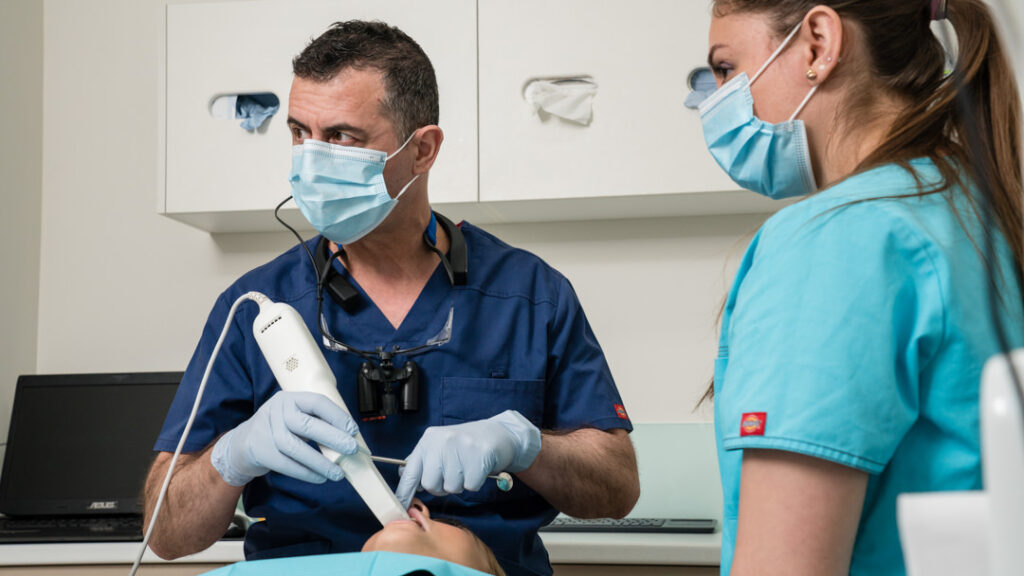
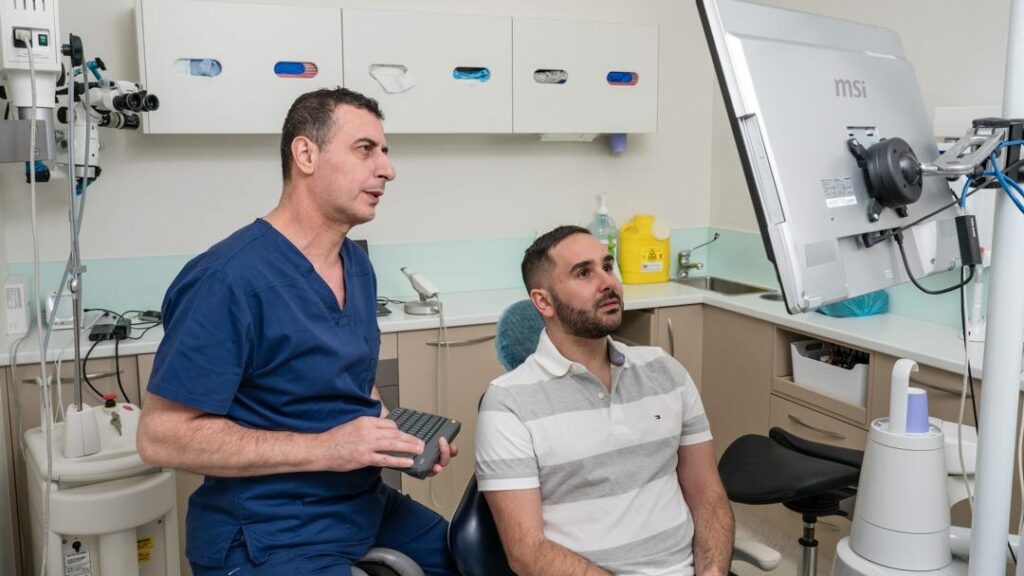
  1. Tooth preparation and digital scanning. Once Dr Rammo has prepared the tooth for the crown, an intra-oral scanner captures 3D images of the prepared tooth and the surrounding teeth. The scan is used to design the new crown on screen using specialised software, with attention paid to fit, bite and the shape of the adjacent teeth.
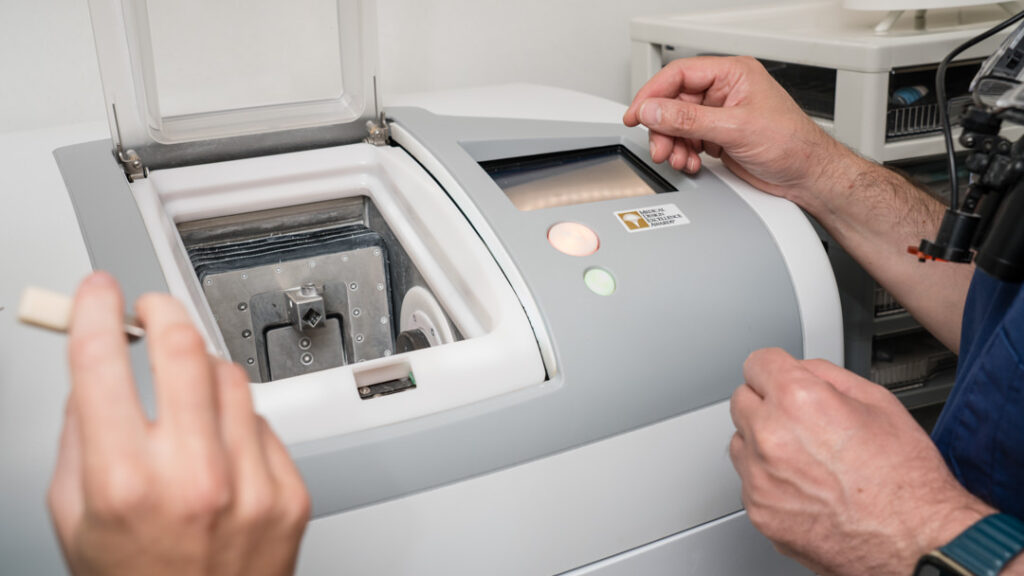
  2. Porcelain crown milling. Once the design is finalised, an in-clinic milling unit shapes the crown from a solid block of porcelain. Patients who are interested are welcome to watch the milling process during their appointment.
  3. Fitting and placement. After any final adjustments, characterisation and glazing, the new crown is bonded to the prepared tooth and the bite is checked. The appointment generally concludes with the crown in place — no temporary crown and no second visit.

To support patients’ confidence in the work, justSMILE offers a 10-year warranty on same-day dental crowns produced through this process. As with any warranty, conditions apply and your treatment coordinator can outline these at the consultation.

Fees and Finance

The fee for a dental crown depends on the clinical findings and is confirmed in writing before any treatment commences. Private health funds with general or major dental cover will often contribute towards the cost; the proportion depends on your level of cover and your fund’s rules.

For patients who would prefer to spread payments over time, justSMILE accepts a range of finance options including HICAPS, ZipMoney, DentiCare and Smile Deals®. Patients are encouraged to consider their financial situation carefully before committing to any treatment plan or payment arrangement.

Risks and Considerations

Crowns are an effective and well-established restorative option, but they are not without trade-offs. Patients considering a crown — same-day or otherwise — should be aware of the following considerations, which are discussed in more detail on the justSMILE treatment considerations page:

  • Tooth preparation is irreversible. Crown placement generally involves reducing the entire surface of the tooth, and this cannot be reversed.
  • Sensitivity is possible. Some patients experience temporary or longer-term sensitivity after a crown is fitted.
  • Crowns can chip, fracture or come loose, particularly in patients who clench or grind their teeth. A night guard may be recommended in such cases.
  • Colour matching has limits. Although porcelain is selected and characterised to blend with the surrounding teeth, the final result may not match expectations exactly, particularly when only a single tooth is being crowned.
  • Gum irritation can develop if cleaning is inadequate or if the margin of a crown is not maintained well.
  • Crowns are not a lifelong solution. Replacement may be required over time due to wear, breakage or changes in adjacent teeth and gums.
  • Further treatment may be needed. Teeth that need crowns are often already weakened, and there is a possibility that root canal therapy may be required at some point in the future. A proportion of crowned teeth eventually need additional treatment.

Most patients resume their daily activities promptly after a crown appointment, although a short rest period is sensible, particularly if local anaesthetic has been used. Ongoing check-ups and good daily oral hygiene are important to support the longevity of any crown.

Is a Same-Day Crown Right for You?

Whether a same-day crown is appropriate depends on a clinical assessment of the tooth in question, your bite, your gum health and your overall dental needs. Some clinical situations are better suited to a traditional, laboratory-fabricated crown — for example, where particularly complex aesthetics are involved or where additional structural work is needed first. Dr Rammo will discuss the options at the consultation and explain the reasoning behind his recommendation.

For patients who feel anxious about dental visits, justSMILE offers a range of accommodations including nitrous oxide sedation and laser dentistry techniques, which can be discussed at the consultation stage.

Arranging a Consultation

If you would like to learn more about same-day dental crowns or have a tooth that you suspect may need a crown, the most helpful next step is a consultation. To arrange an appointment at justSMILE in Ramsgate Beach, you can call (02) 9159 3764 or use the online booking form on the justSMILE website.

The information in this article is general in nature and is not intended as dental advice for any individual. Suitability, results and potential risks vary for each patient. Any surgical or invasive procedure carries risk; before proceeding, you should seek a second opinion from an appropriately qualified health practitioner.


Types of Dental Crowns and Their Cost

Exploring Dental Crown Types, Costs, and Materials Essential for Individuals Contemplating Dental Procedures. 

Dental crowns are a common restorative dental treatment used to repair damaged or decayed teeth. They are custom-made caps that are placed over the tooth to restore its shape, size, strength, and appearance. There are different types of dental crowns available, each with its own set of advantages and costs.

This article aims to provide a comprehensive overview of the various types of dental crowns and their associated costs. It will delve into the different materials used for crowns, such as porcelain, metal, and porcelain-fused-to-metal, and discuss their benefits and drawbacks.

Additionally, factors influencing the choice of dental crown will be explored, including aesthetics, durability, and the specific tooth being treated.

By understanding the different types of dental crowns and their costs, patients can make informed decisions about their dental treatment options.

Types of Dental Crowns

When it comes to dental crowns, there are several types available. Porcelain crowns are popular for their natural appearance and durability. Ceramic crowns are another option that offers a strong and aesthetically pleasing result. Metal crowns, such as gold or silver, are known for their strength but may not be as visually appealing. Composite crowns are a cost-effective option, while zirconia crowns are highly durable and can provide a natural look.

These different types of dental crowns offer patients a range of choices based on their individual needs and preferences.

Porcelain Dental Crowns

Porcelain crowns, a type of dental crown, are widely used in restorative dentistry for their natural appearance and durability. These are made from a ceramic material that closely resembles the color and texture of natural teeth, making them an ideal choice for patients who want a seamless smile.

Here are three important things to know about porcelain dental crowns:

  1. Superior aesthetics: Porcelain crowns are highly regarded for their ability to mimic the natural look of teeth. They can be color-matched to blend in seamlessly with the surrounding teeth, creating a beautiful and natural smile.
  2. Durability: Despite their delicate appearance, porcelain crowns are remarkably strong and durable. They can withstand the daily wear and tear of chewing and biting, providing long-lasting results.
  3. Cost considerations: Porcelain crowns are generally more expensive than other types of dental crowns, such as metal or composite crowns. The tooth crown cost may vary depending on factors such as the location of the dental practice and the complexity of the case. It is important to consult with a dentist to determine the crown’s cost and explore available options.

Ceramic Dental Crowns

Ceramic crowns, a prevalent type of dental crown, are widely utilized in restorative dentistry due to their natural aesthetics and durability. These crowns are made from a material that closely resembles the appearance of natural teeth, making them an excellent choice for those seeking a seamless and natural-looking restoration.

Ceramic crowns can be customized to match the color, shape, and size of the patient’s existing teeth, resulting in a seamless and aesthetically pleasing smile. In addition to their appealing appearance, ceramic crowns are also known for their strength and longevity.

While the cost of ceramic crowns may be higher compared to other types of dental crowns such as porcelain or metal crowns, many patients find the investment worthwhile due to the superior appearance and durability they offer.

Metal Dental Crowns

Metal crowns, known for their durability and strength, are a popular type of dental crown used in restorative dentistry. These crowns are made from various types of metals, including gold alloy, palladium, nickel-chromium alloy, and base metal alloy.

Here are three key points to consider about metal crowns:

  1. Durability: Metal crowns are highly resistant to wear and tear, making them a long-lasting option for dental restorations. They can withstand the forces of chewing and grinding without fracturing or chipping.
  2. Biocompatibility: Metal crowns are well-tolerated by the body, making them suitable for patients with metal allergies. However, some people may be concerned about the aesthetic appearance of metal crowns, especially when placed on visible teeth.
  3. Cost: Metal crowns are generally more affordable compared to other types of dental crowns. The cost may vary depending on the type of metal used and the complexity of the dental restoration.

Composite Dental Crowns

Composite crowns, another type of dental crown, offer a versatile and aesthetically pleasing option for dental restorations. Unlike metal crowns, composite crowns are made from a tooth-colored material that can blend seamlessly with the surrounding teeth. This makes them an excellent choice for patients who want a natural-looking smile.

In terms of cost, composite crowns are generally more affordable compared to other types of dental crowns. The exact crown cost can vary depending on various factors such as the material used, the complexity of the procedure, and the location of the dental practice.

However, it is important to note that composite crowns may not be as durable as metal crowns and may require more frequent replacement.

Nevertheless, for patients looking for an affordable and aesthetically pleasing dental crown option, composite crowns can be an excellent choice.

Zirconia Dental Crowns

Zirconia crowns, a popular choice for dental restorations, offer a durable and aesthetically pleasing option for patients seeking a high-quality dental crown. Made from zirconium dioxide, these crowns are known for their strength and natural appearance.

Here are three key points to consider regarding zirconia crowns:

  1. Superior durability: Zirconia crowns are highly resistant to chipping and cracking, making them an ideal choice for patients with a history of teeth grinding or clenching. They can withstand the forces of regular biting and chewing, ensuring long-term functionality.
  2. Excellent aesthetics: Zirconia crowns closely resemble natural teeth, thanks to their translucent appearance. This makes them an excellent choice for front teeth restorations. Their color can be customized to match the surrounding teeth, resulting in a seamless and natural-looking smile.
  3. Higher cost: Compared to other types of dental crowns, zirconia crowns tend to be more expensive. The higher cost is due to the material’s superior quality and the advanced technology used in their fabrication. However, the long-lasting durability and aesthetic benefits make them a worthwhile investment for many patients.

When considering zirconia crowns, it is essential to consult with your dentist to determine the best treatment plan and discuss the associated costs and fees.

Stainless Steel Crowns

Stainless steel crowns are a commonly used type of dental crown due to their durability and cost-effectiveness. These crowns are typically used for temporary purposes, especially in children, as they are less expensive than other types of crowns.

Stainless steel crowns are made of a strong metal material that provides excellent strength and protection for the tooth. The procedure for placing a stainless steel crown involves shaping the tooth and then fitting the crown over it.

The care for stainless steel crowns is relatively simple, requiring regular brushing and flossing to maintain oral hygiene. While stainless steel crowns may not offer the same aesthetic appeal as other types of crowns, they serve an important role in protecting and restoring the functionality of teeth for patients of all ages.

Gold Crowns

Gold crowns are a commonly chosen type of dental crown, frequently preferred for their durability, aesthetic appeal, and long-lasting results. Here are three key points to consider about gold crowns:

  1. Material: Gold crowns are made from a combination of gold and other metals like copper or palladium. This makes them highly durable and resistant to wear and tear. Gold crowns are known for their strength and can withstand the forces of chewing and biting.
  2. Aesthetics: While gold crowns may not be as popular for front teeth due to their distinct appearance, they are a great option for molars and premolars. Their metallic color can blend well with natural teeth, and they have a unique shine that some people find appealing.
  3. Cost: The cost of a gold crown can vary depending on factors such as the dentist’s location, the complexity of the procedure, and the amount of gold used. Generally, gold crowns tend to be more expensive than other types of crowns, such as porcelain or metal crowns. However, their durability and longevity can make them a worthwhile investment in the long run.

Dental Crown Cost, Procedure, and Care from the Dentist:

The costs of dental crowns are influenced by several factors, with material selection, dentist fees, and geographical location being the most significant. The choice of crown material, such as porcelain, ceramic, metal, or composite, plays a crucial role in cost variation, considering factors like durability and aesthetics. Dentist fees contribute substantially, reflecting their expertise and the complexity of the procedure. Additionally, geographical location plays a role, as the cost of living and regional dental care standards can impact the overall expenses associated with obtaining dental crowns. Understanding these factors is essential for individuals seeking dental crowns to make informed decisions based on their preferences and budget constraints.

One common method for placing dental crowns is known as the indirect restoration technique. With this method, the dental crown is fabricated outside the patient’s mouth.

The procedure starts with the dentist preparing the tooth by removing any decay or damage. Then, an impression of the tooth is taken, which serves as a guide for creating the dental crown. The impression is sent to a dental laboratory, where the crown is custom-made using various materials such as porcelain, ceramic, metal, or a combination of these. The choice of material depends on factors such as strength, aesthetics, and the patient’s preferences.

Once the dental crown is ready, the patient returns to the dentist for the final placement. The tooth is cleaned and prepared for bonding, and the crown is carefully positioned and secured using dental cement or adhesive.

After the procedure, the dentist provides instructions on how to care for the dental crown. Good oral hygiene, including regular brushing and flossing, is crucial to maintain the longevity of the crown. It is also important to avoid biting or chewing on hard objects that can damage the crown. Regular dental check-ups are recommended to ensure the crown’s stability and to address any potential issues promptly.

Factors Influencing Tooth Crown Choices

Factors such as durability, aesthetics, and budget play a significant role in influencing the choice of tooth crowns. When considering the types of dental crowns available, patients must take into account various factors to make an informed decision:

  1. Material: Different materials, such as porcelain, metal, or a combination of both, offer distinct advantages. Porcelain crowns are known for their natural appearance, making them a popular choice for front teeth. Metal crowns, on the other hand, provide exceptional strength and durability, making them suitable for back teeth.
  2. Strength: The strength of a dental crown is crucial, especially for teeth subjected to significant biting forces. Patients with a history of teeth grinding or clenching may require a stronger material, such as metal or porcelain-fused-to-metal crowns, to withstand these forces and prevent premature wear or fractures.
  3. Budget: Tooth crown cost varies depending on the material used and the complexity of the procedure. Porcelain crowns tend to be more expensive than metal crowns, but they offer superior aesthetics. Temporary crowns may also be needed during the treatment process, and their cost should be considered as well.

Dental Crown Material Guide

When considering the types of dental crowns available, patients must take into account the material used, as it greatly influences the overall quality and durability of the crown. There are several materials commonly used for dental crowns, each with its own unique characteristics.

Porcelain crowns are popular due to their natural appearance and ability to blend seamlessly with surrounding teeth. They are an excellent choice for front teeth, as they can mimic the translucency of natural tooth enamel. However, porcelain crowns are not as strong as other materials and may be prone to chipping or cracking.

Metal crowns, typically made from gold or silver alloys, are known for their durability and strength. They are highly resistant to wear and can withstand biting and chewing forces. However, their metallic appearance may not be aesthetically pleasing, making them more suitable for molars or back teeth.

Zirconia crowns are a newer option that combines the strength of metal crowns with the natural appearance of porcelain crowns. They are highly durable and resistant to chipping or cracking. Additionally, zirconia crowns are biocompatible, meaning they are less likely to cause allergic reactions.

Temporary crowns are usually made from acrylic or stainless steel. They are used as a temporary measure while a permanent crown is being fabricated. These crowns are not as durable as permanent crowns and require extra care to prevent damage.

Ceramic crowns are similar to porcelain crowns, but they are made from a different type of ceramic material. They offer excellent aesthetics and can be customized to match the color and shape of neighboring teeth. Ceramic crowns are highly resistant to staining, making them a popular choice for front teeth.

Conclusion

In conclusion, there are various types of dental crowns available, each with its own advantages and cost considerations. The choice of a dental crown depends on factors such as the location of the tooth, aesthetic preferences, and budget. It is important to discuss with a dentist to determine the most suitable crown material and procedure for individual needs. Regular dental care and maintenance are crucial to ensure the longevity and effectiveness of dental crowns
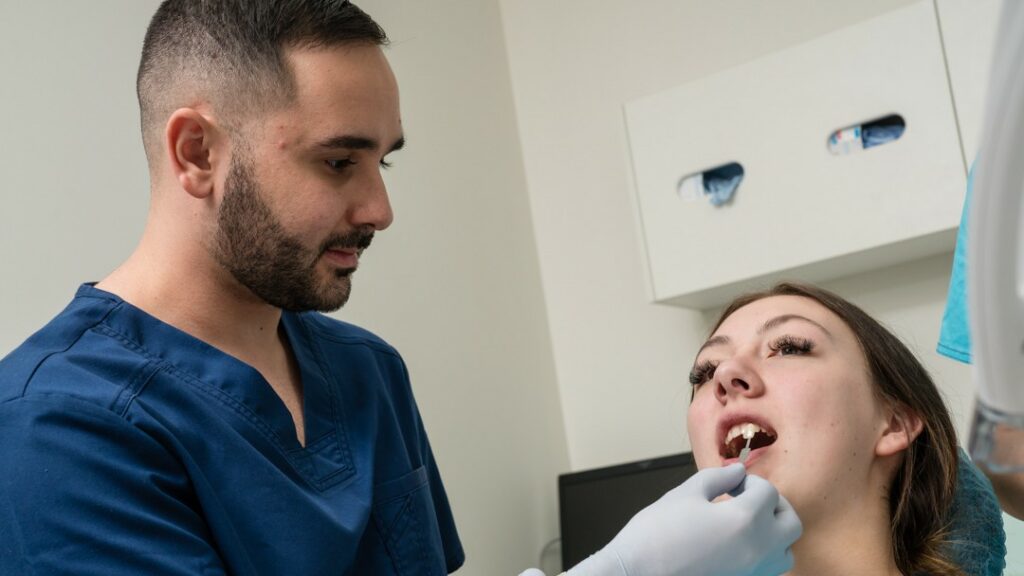
Dental Crowns For Loose Teeth: Is It Recommended?

Are you considering dental crowns to deal with your loose teeth?

If so, you might want to pause for a moment and weigh up all your options first. While dental crowns have long been the go-to solution for such issues, they may not always be the optimal choice.

In fact, in certain cases, they could even worsen the situation.

Understanding Tooth Mobility

Tooth mobility or tooth instability can often be the result of various factors such as bone tissue loss, occlusal trauma, or excessive biting forces.

When you lose enough bone tissue around your teeth due to periodontal disease, it can lead to loose teeth. Periodontal disease is a common issue that not only affects your gums but also the bones that hold your teeth in place.

Furthermore, occlusal trauma, which refers to injury resulting from bite forces exceeding your teeth’s ability to withstand them, can also contribute to tooth instability.

Additionally, routine forces – these are excessive biting forces beyond the normal range caused by habits like grinding or clenching your teeth – can cause signs of trauma leading to loosened teeth. The constant pressure weakens the supporting structures of the tooth, including the bone, leading to its loss over time.

So, if you notice any signs of trauma such as pain or discomfort when chewing or brushing, sensitivity to hot and cold foods and beverages, or visible changes in the position of your teeth, then it’s likely you could have some degree of tooth instability.

Diagnosis and Tests

It’s never easy hearing that your smile might be in jeopardy, but knowing what’s going on inside your mouth and getting the right tests done is a crucial step toward reclaiming your oral health. If you’re experiencing loose teeth, a thorough examination by a professional dentist will provide an accurate diagnosis and determine if dental crowns or other treatment options are recommended.

The dentist may perform X-rays to assess the extent of bone loss around the tooth and evaluate the overall condition of adjacent teeth. Dental impressions could also be taken to create a model of your bite, which aids in understanding any occlusal trauma causing undue pressure on certain teeth.

In some cases, additional tests might be necessary to identify underlying conditions contributing to tooth mobility. Remember, while dental crowns can protect damaged or decayed teeth, they don’t typically solve the problem of loose teeth directly. Splinting techniques or periodontal therapy could be more suitable options depending on the cause behind your tooth instability.

It’s important not only to address the symptoms but also to treat their root causes effectively for long-term oral health maintenance. So, get those tests done as a matter of priority because knowledge is power when it comes to fighting against dental issues.

Splinting Treatment Overview

Splinting treatment, believe it or not, could be a game-changer for your smile if you’ve been struggling with tooth mobility. This common procedure involves attaching weak teeth to adjacent stronger healthy teeth using a variety of materials.

Dental splinting has gained popularity due to its effectiveness in managing loose teeth and enhancing the stability of your overall dental structure.

In terms of the specifics, different splinting techniques are used depending on the severity of tooth mobility and your personal needs. The process usually involves bonding a fiber strip or metal bar across the back of several teeth, effectively bracing them together. This approach distributes biting forces more evenly across all connected teeth which reduces strain on individual ones that were previously loose. Splinting treatment offers immediate relief from discomfort caused by mobile teeth while simultaneously reducing further risk to your oral health.

The Splinting Process

Curious about how dental splints work?  

The tooth splinting procedures begin with your dentist examining the looseness of teeth to determine the extent of bone loss, tooth damage, and occlusal trauma.

Splinting materials, such as composite material or pre-impregnated unidirectional glass fibers, are then used to create a bond between the loose tooth and its adjacent stable teeth. This bond works like a natural brace, providing support to your weak tooth and reducing mobility.

In some cases, dental crowns may also be incorporated into the tooth splint process. If you have a badly damaged or decayed tooth that has become loose as a result, your dentist might decide to first restore that tooth using a crown before proceeding with the splint.

This way, not only is the structural integrity of each individual tooth maintained but they also collectively provide support to each other against normal forces of biting and chewing.

Remember though: while crowns can play an important role in this context, they alone don’t cure loose teeth – it’s the combination of treatments that does. Furthermore, if your loose teeth are caused by severe periodontal disease or extensive bone loss, these circumstances may necessitate more comprehensive gum disease treatment options.

Aftercare and Maintenance

Once the splint’s in place, it’s crucial to take good care of it to ensure its effectiveness and longevity. Proper aftercare and maintenance are key elements for any dental treatment, including dental crowns or splints for loose teeth.

So here are some recommended steps you should follow:

  • Always brush your teeth twice a day using a soft-bristled toothbrush.
  • Floss daily but be careful not to dislodge the splint while doing so.
  • Avoid chewing hard foods with the treated teeth to prevent putting excessive force on them.
  • Limit consumption of sticky or chewy foods as they can potentially loosen the splint or crowns.
  • Regularly visit your dentist for check-ups and professional cleaning.

The importance of these practices cannot be overstated. Remember, neglecting aftercare may lead to complications that could undermine your treatment options.

You’ve invested time, money, and trust into getting those loose teeth fixed; don’t let poor hygiene habits throw all that away. The more attentive you are in maintaining your oral health post-treatment, the longer-lasting and more effective your dental crowns or splints will be.

Consult With Your Trusted Dentist

Feeling unsure about the best approach to treat your wobbly tooth? It’s a smart move to consult with your trusted dentist. They’re in the best position to guide you through the available options for treating loose teeth.

While dental crowns are commonly used, they might not always be recommended for every situation, as this article has pointed out. Your dentist will examine your oral health thoroughly and will consider factors such as the cause of looseness, the extent of damage, and the overall condition of your gums and bones before suggesting the best form of treatment.

Remember, it’s crucial that you’re transparent about all aspects of your oral habits during these consultations. This way, the dentist can suggest a course of action that suits you best. If dental crowns aren’t ideal for your case, there are still several alternative treatments available like teeth splinting or other orthodontic treatment which could provide significant benefits too.

In any case, don’t hesitate to discuss any concerns or ask questions – after all, it’s only by doing so that you’ll gain complete clarity on what is recommended for you.

Veneers vs. Crowns: Which is Right for You?

Years of wear, an injury, or decay can leave teeth looking unattractive. To restore your teeth, your dentist may recommend that you have dental veneers or crowns placed. Both treatments conceal damaged or blemished tooth structure behind a natural-looking dental restoration.

Although the treatments can deliver similar results, veneers and crowns are very different. To help our patients learn more about veneers vs. crowns, we offer this comprehensive overview. Below, you’ll learn how each treatment works and which option might be right for you.

What Are Veneers?

Veneers are super-thin layers of porcelain or another durable material that a dentist bonds to the front of teeth. Veneers are a popular cosmetic treatment. Technicians fabricate veneers from a variety of materials that can include porcelain, resin composite, or some type of ceramic material.

Porcelain is a great base material for veneers. Dr Rammo works with the material because it matches the natural lustre of teeth. Dr Rammo can customise the shells to perfectly blend in with your natural smile.

Am I a Candidate for Veneers?

Pretty much anyone can be a great candidate for veneers. The main candidacy consideration is that you have a healthy layer of enamel that can support the veneer. Here are three common reasons our patients seek the drastic cosmetic results that veneers can deliver.

Address Misshapen Teeth

If your teeth are misshapen, Dr Rammo can place veneers on the front of your misshapen teeth to completely revamp your smile. The veneers completely conceal the shape of your teeth, meaning that the treatment can restore symmetry to your smile.

Address Gaps Between Teeth

A prominent gap between your teeth can malign an otherwise beautiful smile. Thankfully, Dr Rammo can customise two veneers that, when carefully cemented in place, bridge the gap in your smile. The results mean that you no longer have to be embarrassed to smile.

Brighten Your Smile

If your teeth have intrinsic stains, cleanings and whitening treatments may not address those cosmetic blemishes. One way that you can restore whiteness and lustre to your teeth is by having veneers placed on the blemished teeth.

Veneers completely conceal dental discolouration. No matter how deep and dark your stains are, the veneers will completely conceal the cosmetic defects.

Benefits of Veneers

Veneers remain a highly popular cosmetic treatment for many reasons. The treatment was developed in 1928, so it has a long track record. Our patients often site these top benefits of veneers.

Long-Lasting Results

With proper care and regular visits to justSMILE, your veneers can easily last one decade. Some veneers last well beyond that.

The lifespan of your veneers will depend in part on the health of the underlying tooth. As long as the tooth structure remains healthy and free from decay, the veneer can maintain a strong adhesion to the tooth. Maintaining good oral hygiene habits is one way to ensure that your teeth remain healthy and strong.

Avoid biting hard objects that can break or chip the veneer. With proper care, veneers will last for a long time but they will not last forever. When your veneers become worn, Dr Rammo can remove and replace your veneers during a convenient visit to our dental practice.

Versatile Treatment

One of the main benefits of veneers is that they can address a wide range of cosmetic issues. The placement of one or more veneers can address most cosmetic issues. Minor chips, discolouration, gaps, small teeth, and misshapen teeth are commonly addressed with this cosmetic treatment.

Minimally Invasive

Veneer placement requires the removal of a small amount of tooth structure, but the treatment is less invasive than dental crown placement. Veneers are ultra-thin, and Dr Rammo will only have to around half a millimetre of enamel to make room for the veneers.

How Are Veneers Placed?

Once your dentist establishes your candidacy for veneers, Dr Rammo will ensure that you are comfortable throughout the procedure. He will administer local anaesthesia to completely numb the tooth that is being treated.

Tooth Preparation

Your tooth will need to be prepared for veneer placement. Dr Rammo will gently remove a small amount of enamel in the area where the veneer will be placed. Once Dr Rammo has prepared your tooth, he will make an impression of your teeth.

Same-Day Veneers

Our office offers same-day veneers. Once our E4D technology fabricates your veneer, Dr Rammo will place them on your teeth using strong dental cement.

Adjusting to Your Veneers

In the days following the placement of your veneers, you may notice that your bite feels a bit off. Your mouth will quickly adjust to the new restorations. It is generally recommended to avoid hot and cold foods and drinks for the first day or two after your veneers are placed.

What Are Crowns?

Have you always wondered how crowns work? A crown is a restoration that covers the entire tooth. Crowns are made from a wide range of materials that include porcelain, metal, or a combination of ceramic and metal.

Am I a Candidate for Crowns?

Crowns can be used for restorative or cosmetic purposes. Dr Rammo can determine your candidacy for crowns if you are experiencing any of the following.

To Restore Lost Tooth Structure

Dental crowns are commonly placed following the removal of tooth structure. As a restoration, crowns protect the inner layers of the tooth and prevent further decay.

Dr Rammo may place a dental crown following the removal of decayed enamel. Or he may use a dental crown to protect your tooth following a root canal. Any restorative treatment that involves the removal of a significant amount of enamel will likely require that Dr Rammo places a dental crown to preserve and protect your tooth.

Dental crowns are often an ideal restorative treatment because it allows patients to preserve their tooth. Tooth preservation is preferable to tooth extraction because tooth roots preserve jawbone density.

To Support a Dental Bridge

A dental bridge is supported by two dental crowns (one on each side of the prosthetic tooth). If you are missing one tooth or a few adjacent teeth, you may be a great candidate for a dental bridge, which requires the placement of two dental crowns.

If you desire a tooth replacement solution that replaces your tooth root, our office offers dental implants. An implant is a titanium post that replaces a lost tooth root.

Implants offer unparalleled stability for prosthetic teeth. Implants also preserve your jawbone density by preventing bone atrophy.

For Cosmetic Purposes

Dental crowns can also be placed for cosmetic reasons. If your teeth are significantly blemished due to dental erosion, intrinsic stains, chips, or other reasons, you may be a great candidate for a dental crown.

Your final restoration will be made from high-quality porcelain that matches the colour and lustre of your natural enamel. Once Dr. Rammo has placed your crown, no one will be able to tell that you have a dental crown!

Benefits of Crowns

One of the biggest benefits of having a crown placed is the expected lifespan of a crown. A dental crown can easily last a decade. With proper care and regular visits to our dental practice, your crown can last 20 years or even longer.

Maintaining good oral hygiene habits and avoiding biting hard objects that can dislodge your crown can help your restoration last longer.

Crowns are also highly durable. The restorations are often placed on molars. Porcelain, metal, or a combination of the two can withstand the wear and tear of biting and chewing.

How are Crowns Placed?

The dental crown procedure is straightforward. Your comfort will be a high priority. Dr Rammo will use local anaesthesia to ensure that your tooth is completely numb before he begins preparing your tooth.

Sedation Dentistry for Anxious Patients

We understand that some patients feel anxious about dental procedures. We offer oral sedation and other options to help you relax throughout your procedure.

Preparing Your Tooth

Once you are relaxed, Dr Rammo will use a special drill to gently remove your tooth’s outer layer of enamel. This step removes the decayed or damaged area of your tooth. Preparing your tooth creates space for your new dental crown.

Fabrication of Your Crown Using E4D Technology

Once Dr Rammo has prepared your tooth, a digital impression of your tooth will be made. Our office offers one-hour dental crowns. Once our advanced E4D system fabricates your crown, Dr Rammo will ensure that the restoration is a perfect fit.

Placing Your Crown

Dr Rammo uses strong dental cement to place dental crowns in place. Dental crowns require a short adjustment period. Your mouth and jaw will naturally adjust to your new restoration within a few days.

Maintaining Your New Crown

You should clean and maintain the restoration like natural teeth. The tooth underneath the crown is still susceptible to decay.

Regular visits to our dental practice for cleanings and exams can help Dr. Rammo spot and address any issues with your dental crown. If your crown becomes loose or dislodged, contact our office immediately.

Veneers vs. Crowns: Which Open Is Right for Me?

If you think that you are a candidate for veneers or a crown, talk to your dentist. Dr. Rammo can describe each treatment in detail. The following examples can generally help you understand which option might be right for you.

When Veneers Are the Better Options

Veneers are often the better option when your tooth or teeth are in otherwise great shape. Veneers are generally considered cosmetic treatments, meaning they are not ideal for restoring a damaged tooth.

Veneers are also a better option for people who are looking for a minimally invasive procedure that doesn’t drastically alter their natural teeth. If you are looking purely for drastic cosmetic results and your teeth are in great shape, Dr Rammo may recommend that you have veneers placed.

The cosmetic treatment is also ideal when you want to revamp several or more teeth. Placing several crowns for cosmetic purposes isn’t usually practical due to the extensive tooth preparation that would be required. When celebrities or models want to completely transform their smiles, they rely on porcelain veneers.

When Crowns Are the Better Option

Crowns are a great option to treat damaged or decayed enamel. Dental crowns deliver cosmetic results. They can prevent the need for a dentist to extract your tooth.

If you have a root canal scheduled, you will likely need a dental crown. A veneer will not restore the top of your tooth following a root canal.

A crown may also be needed when dental fillings are not sufficient to restore lost tooth structure. Following a restorative treatment, a dental crown protects a tooth by encasing it completely in a porcelain cap.

If you are missing a tooth or a few adjacent teeth, dental crowns can be used to place a traditional bridge.

Schedule Your Restorative or Cosmetic Treatment Today

Veneers and crowns can deliver drastic cosmetic results that can conceal discolouration, chips, and other minor cosmetic defects. If you are unhappy with the appearance of one or more teeth, let Dr Rammo and the team at justSMILE rejuvenate your teeth.

We strive to offer our patients the best experience and results that dentistry has to offer. Now that you understand the difference between veneers vs. crowns, schedule a consultation with Dr Rammo to learn which treatment is right for you. Our offices serve the Ramsgate and Woollahra communities.

Dental Crowns – What to Expect

Dental Crowns – What to Expect

If you are wondering how dental crowns work, you have come to the right place. Dental crowns are ideal for replacing cracked, chipped, weak, and severely discolored teeth. They are tooth-shaped caps that are placed on the damaged tooth to help restore the structure of the tooth and improve its appearance. Dental crowns help to enhance your smile and improve your self-esteem. The crown is cemented into place to encase the visible part of the damaged or discolored tooth above the gumline. You may also require dental crowns if you have large cavities that threaten the health of your teeth.

A crown can be temporary or permanent depending on how it is used. For example, a temporary crown can be used during the process of designing and installing a permanent crown. The process will take place over about one or two weeks with a total of two visits to the dentist

The latest advances in 3D imaging technology allow the dentist to design and install dental crowns in a single visit. CEREC or Chairside Economical Restoration of Esthetic Ceramics crowns are the latest trend in the industry. They can be created and installed within a couple of hours. You only need one dental appointment to install a modern dental crown. 

The process of creating and installing traditional dental crowns is lengthy and involves several steps. The first step is to take an impression of the damaged or discolored tooth. A temporary crown or bridge will be placed on the damaged tooth until the permanent crown is created and installed. The dentist will send the impression of your tooth to the dental lab where the permanent crown is manufactured and sent back to the dentist’s office. The dentist will inspect the crown and make any required adjustments before cementing the crown to your affected tooth.

On the other hand, the latest CEREC crowns take less than two hours to create and install. The system uses the latest technology with computer-aided design (CAD) software and 3D photography to help the dentist design custom dental crowns to suit your mouth and the surrounding teeth.

The cost of dental crowns varies depending on many factors. In fact, dental crowns can range in price from $1,500 to $2,000. The material used for the crown, the size of your tooth, the reputation of the dentist, and many other factors can affect the price. A gold crown can cost much more in the range of $2,500 per tooth. On the other hand, if the dentist has to perform more prep work, the cost of the crown can increase. Dental insurance may cover part or the full amount of installing dental crowns. You should check with your health insurance provider about what is covered and what is not when deciding to install dental crowns.

Once the dental crown is installed, you should take good care of it. Preventive care can prolong the life of the crown. Brushing your teeth at least twice a day is very important when caring for dental crowns. Use a toothpaste for sensitive teeth if the crown is sensitive to heat or cold. Daily flossing will help keep the crowns in good condition over time. Care is needed as the crown cannot withstand the same level of pressure or bite strength as a natural tooth, so don’t chew hard foods and ice. Your crowns can crack under pressure. This is very important for people with porcelain crowns. Get a nightguard if you grind or clench your teeth at night. It helps protect the crown and surrounding teeth. 

There can be some complications of having a dental crown in your mouth. Dental crowns can become sensitive to heat and cold, but if the crown is too sensitive to pressure while you are biting then the crown may not be fitted properly. Your dentist will help change the placement of the crown or file down the top of the crown under such circumstances.

Dental crowns are a common and safe option for restoring a beautiful smile, the information above is a basic overview, please consult our dentist to get more in-depth information if needed.

Book Now
To book an appointment, fill in the form and our team will respond.
You must agree to the Terms of Use
Powered by EZMarketer™
Need Help? Text Us.
Enter your details and message then check your phone to chat with us by text.
By submitting, you authorize our practice to send email/text messages to the provided channels. Message/data rates may apply.
Powered by EZMarketer™
Terms & Conditions
Free Smile Assessment Offer:
  1. Must be over 18 years of age
  2. Free Smile Assessment consultation must be face to face
  3. Includes : Smile analysis, Facial lines and asymmetries, Teeth size, shape and position analysis, Teeth color recording, Jaw analysis, General tooth and gum health assessment and advise on the suitability for Invisalign or other Smile Make-Over procedures and recommendations.
  4. Does not include a full examination, x-rays or a scale and polish.
  5. Free Smile Assessment offer can be used in conjunction with other offers such as Whitening, Check up and Polish, and Invisalign offers.

Any surgical or invasive procedure carries risk. Before proceeding, you should seek a second opinion from an appropriately qualified health practitioner. This offer may change without notice.

Smile Deals® Offer Details

These Smile Deals® Offers presented by Dr. Rammo and justSMILE are valid as stated on the page these offers were found. These offers may change without notice.

Smile Assessment & Consultation Offer

  • The Smile Assessment & Consultation includes smile analysis, facial lines and asymmetries, teeth size, shape and position analysis, teeth colour recording, jaw analysis, general tooth and gum health assessment and advice on the suitability for orthodontics (e.g. Invisalign), general or cosmetic dentistry service.
  • The Smile Assessment & Consultation does not include an examination or x-rays.
  • This offer can be used in conjunction with other offers, including Invisalign Clear Aligner, Teeth Whitening or Check Up & Clean offer.

$199 Check Up & Clean Offer

  • The $199 Check Up & Clean offer includes a full examination and charting including periodontal or gum assessment with treatment recommendations and oral hygiene advice, jaw joint assessment, smile assessment, oral cancer screen, diet analysis and advice, two (2) intra-oral bitewing x-rays, scale and polish.
  • In order to provide you with the best of care and assessment, additional records may be required by the dentist at this examination appointment. Additional records may include clinical intraoral and extraoral photographs , OPG radiograph, lateral cephalometric radiograph which are not included in this deal, and may be performed during the examination process at additional charge or at the dentist’s discretion for a rebate only fee if you have private health insurance that covers the additional items. Should you object to having additional records taken, please inform the front office coordinator at the time of booking your appointment.
  • A scale and clean is provided to you assuming that there is no active gum disease such as gingivitis and periodontitis. Scale and clean does not substitute for the need of gum treatment.
  • This offer can be used in conjunction with other offers, including the Free Smile Assessment, Invisalign Clear Aligner or Teeth Whitening offer.

Invisalign Clear Aligners Offer

  • After your Free Smile Assessment & Consultation visit, if the doctor feels you are eligible for Invisalign Clear Aligners, you can receive the treatment for $6500 for a moderate case.
  • This Smile Deals® Offer does not include the price for retainers.
  • This offer includes all in-office follow up visits relating to your Invisalign Clear Aligners.
  • This offer can be used in conjunction with other offers, including the Free Smile Assessment, Teeth Whitening or Check Up & Clean offer.

Teeth Whitening Offer

  • After your Free Smile Assessment & Consultation visit, if the doctor feels you are eligible for Teeth Whitening, you can receive the Whitening service for $599. 
  • This offer can be used in conjunction with other offers, including the Free Smile Assessment, Invisalign Clear Aligner or Check Up & Clean offer.

How to Redeem These Offers

To claim any of these Smile Deals® Offers:

  1. Book an appointment.
  2. Mention the relevant Smile Deals Offer at the time of booking or treatment.
  3. Present the promotional Smile Deals® Offer voucher or QR Code (if provided) at reception.

Offer Restrictions

The following restrictions apply to the eligibility and use of all Smile Deals® Offers:

  • You must be a new or existing patient of  Dr. Rammo or justSMILE.
  • You must be 18 years or older at the time of receiving the dental treatments or if a minor, accompanied by a parent or legal guardian.
  • Except where expressly stated above, only one Smile Deals® Offer can be redeemed per person.
  • Except where expressly stated above, the Smile Deals® Offers cannot be used in conjunction with any other offers.
  • The Smile Deals® Offers are not redeemable for cash and cannot be transferred.
  • The Smile Deals® Offers are subject to appointment availability.
  • All treatments are subject to the dentist’s clinical assessment of suitability for you.

*Offers may not be suitable for all patients. Always consider your financial situation before committing to an offer or payment plan. Any surgical or invasive procedure carries risk. Before proceeding, you should seek a second opinion from a qualified health practitioner.

Need Help? Text Us.
Enter your details and message then check your phone to chat with us.