Australia’s 7 Most Popular Cosmetic Dentistry Procedures 2023

Are you looking to transform your smile in 2023? With so many cosmetic dentistry procedures available, it can be difficult to decide which ones are right for you. But never fear – Just Smile is here to help!

We’ve compiled a list of Australia’s 7 most popular cosmetic dentistry procedures that can give you a more confident smile in 2023. From teeth whitening and veneers to orthodontics and implants, there’s something for everyone! Read on to find out how these procedures can help you achieve the perfect grin.

Cosmetic Dentists Can Give You A Beautiful Smile

Cosmetic dentistry has become increasingly popular over recent years, as more Australians look for ways to enhance their smiles. Not only does it improve aesthetic concerns such as discoloration or crookedness, but it also boosts self-confidence. A great set of pearly whites gives us the confidence we need when meeting new people or presenting at work.

So what kind of treatments should you consider if you want a dazzling smile? Don’t worry; our team of experienced professionals has put together a comprehensive guide outlining all of Australia’s 7 most popular cosmetic dentistry procedures in 2023, including tips on when they’re needed and why they’ll give you an unforgettable grin. Keep reading to discover more about the different cosmetic procedures.

Teeth Whitening

Teeth whitening could be the perfect procedure for transforming your smile. Professional whitening treatments can leave you with a bright, white smile that will last far longer than any at-home kit. JustSmile offers a variety of professional whitening options, such as veneers and Zoom! teeth whitening.

Zoom! Teeth Whitening

Zoom! Teeth whitening is a professional teeth whitening procedure offered by Just Smile that uses a special whitening gel and a light to whiten teeth. It is a quick and effective method of brightening teeth and can be done in a single visit to a dental office. The gel works by breaking down stains on the teeth, leaving them looking brighter and more attractive. Results can last for up to a year with proper care and maintenance.

If those solutions don’t appeal to you, there’s still one more option out there: dental veneers. These are an excellent way to complete your transformation and give yourself a brand new set of pearly whites.

Veneers

Dental veneers are thin porcelain or composite resin shells that are placed on top of natural teeth in order to create a more aesthetically pleasing smile. When considering which type of veneer is best for you, there are three main options: traditional porcelain veneers, composite resin veneers and temporary porcelain veneers.

The pros and cons of these different types of veneers include:

Traditional Porcelain Veneers

  • Pros: Last longer than other types; provide a more natural-looking appearance; do not stain as easily as other materials
  • Cons: Require invasive procedures such as etching enamel away from the tooth surface; require replacement after 10-15 years

Composite Resin Veneers

  • Pros: Less costly compared to traditional porcelain option; can be applied without drilling into the tooth structure; less preparation required; reversible procedure
  • Cons: Do not last as long as traditional porcelains (5-7 years); may discolor over time if exposed to certain foods/beverages

Temporary Porcelain Veneers

  • Pros: A great way to “test out” how you would look before committing to permanent treatment; cost effective solution since it does not require any special dental equipment
  • Cons: Not ideal for those who wish to make drastic changes since the material will wear off much faster than traditional or composite alternatives. Also, they are only available in limited shades so patients must choose very carefully when selecting their desired shade.

No matter which type of veneer application you decide upon, one thing remains true—veneers can give you a stunning new smile and transform your life! 

Dental Implants

Moving away from teeth whitening, another popular cosmetic dentistry procedure is dental implants. Dental implants are a great way to replace missing or lost teeth and restore the smile of an individual who has suffered tooth loss due to decay, trauma or disease. Professional teeth replacement with dental implants can offer individuals a stronger bite, improved speech and enhanced confidence in their overall appearance.

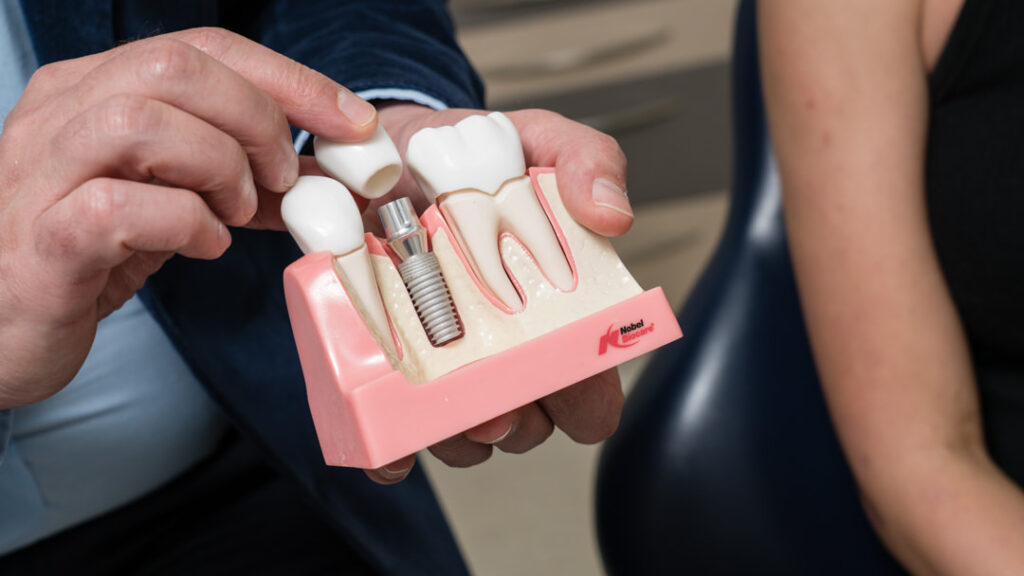
When considering getting dental implants, it is important that you visit a qualified and experienced cosmetic dentist. Cosmetic dentists have advanced training in various cosmetic dentistry procedures such as implant placement surgery which will ensure optimal results for your new set of pearly whites. During the procedure, your cosmetic dentist will assess the condition of your jawbone tissue before placing titanium posts into the gums where natural roots were once located. After several months of healing time, custom-crafted porcelain crowns are then attached onto the posts to complete the restoration process.

With proper maintenance and care following treatment, you can expect your beautiful new smile to last up to 25 years!  Now let’s explore another popular cosmetic dentistry procedure—crowns.

Dental Crowns

Crowns are a popular cosmetic dentistry procedure that can help transform your smile. They are dental caps designed to fit over an entire tooth and restore it to its original shape and size. Crowns provide extra strength, durability, and protection for weakened teeth due to decay or other damage. There are various materials used in crowns such as porcelain, ceramic, metal alloys, or resin composite material. Porcelain is the most common choice for aesthetic purposes since it resembles natural teeth more closely than any other material. The cost of porcelain crowns varies depending on the type of crown chosen and how many crowns you need placed.

In addition to restoring aesthetics, permanent crowns also protect against further damage by strengthening weak teeth and preventing bacteria from entering the pulp chamber below the gum line. In some cases, they may even be able to stop pain caused by extreme sensitivity or infection in underlying tissue structures around the root of the tooth. Permanent crown placement requires two office visits: one visit for prepping the tooth and taking impressions; then a second visit for cementing them into place permanently with special bonding agents after they have been constructed in a lab setting.

Crowns offer multiple benefits including improved appearance as well as enhanced oral health and function which makes them a great option if you’re looking to improve your smile’s overall look while protecting your teeth at the same time. With proper care and maintenance, these durable restorations should last up to fifteen years before needing replacement. 

Transitioning into our next section on gum contouring, we’ll look at how this particular technique can help give patients greater control over their smile’s aesthetics.

Gum Contouring

Gum contouring is a cosmetic dentistry procedure used to reshape the gums around natural teeth. It’s often sought after by people with a ‘gummy smile‘, or those who have gaps between their teeth that are too large. Through gum contouring treatments, uneven and excess gum tissue can be gently removed and reshaped for an aesthetically pleasing result that leaves you feeling more confident about your smile.

This type of treatment is minimally invasive and typically requires just one visit to the dentist office. The process begins with numbing medication being applied to the area in need of reshaping, followed by careful trimming of excess tissue using a laser or scalpel. Afterward, sutures may be placed if necessary to help ensure proper healing of the affected area.

The results of this procedure will leave patients with smoother looking gums that frame their natural teeth better and provide an overall balanced look to their smiles. When combined with other dental veneers such as crowns, bridges, implants and fillings, it can take your smile from average to extraordinary! Moving forward into braces and Invisalign treatments could be another way you take control of your smile transformation journey. 

Braces And Invisalign

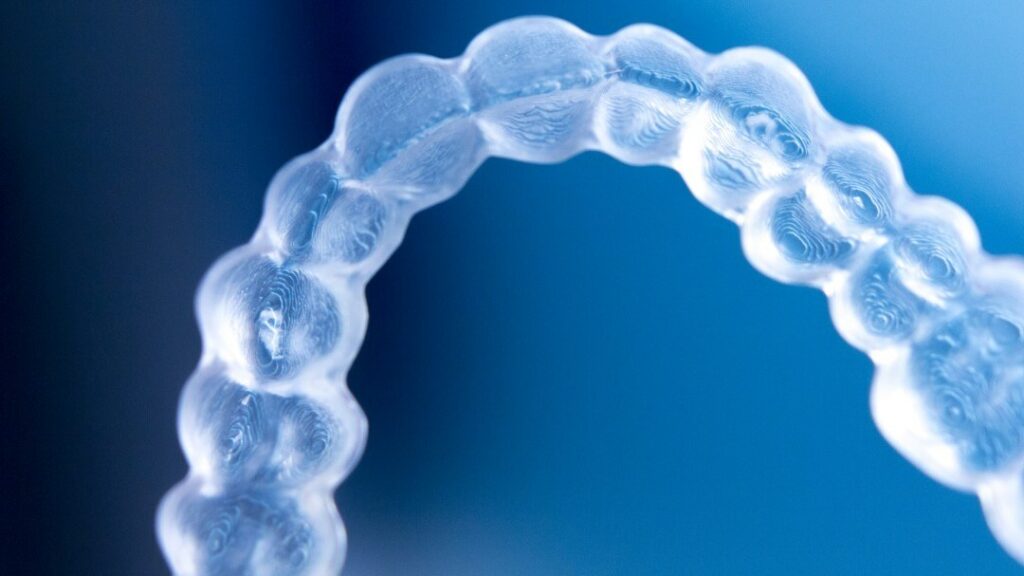
When it comes to achieving a straighter and healthier smile, braces are usually the go-to solution. There are two distinct types of braces – traditional metal braces and Invisalign. Both provide excellent results for aligning teeth and providing an aesthetically pleasing smile.

  Braces Invisalign
Traditional Brackets
  • Metal brackets
  • Fixed in place
  • Clear plastic trays
  • Removable
Ceramic Brackets
  • Coloured to match your teeth
  • Less noticeable than metal brackets
  • More costly than traditional options
  • Invisible when worn 

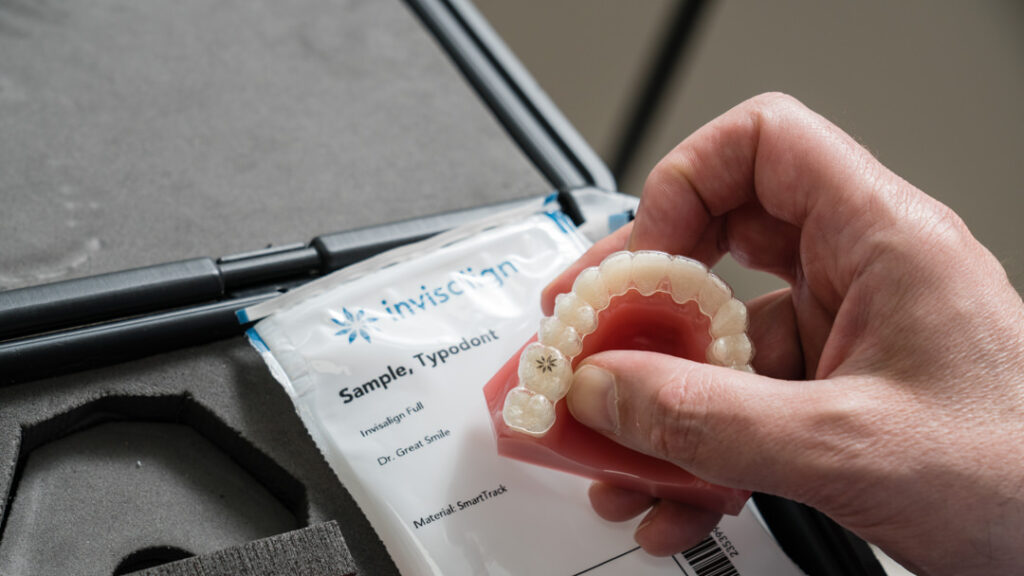
Traditional braces involve using small pieces of metal or ceramic attached directly onto each tooth with a wire that runs through them. This is then tightened over time by the orthodontist, resulting in straightened teeth over time. The process takes several months but provides long lasting results. On the other hand, Invisalign is a more discreet option as clear plastic trays are used instead of wires and brackets. They fit snugly around your teeth and can be taken out if necessary for eating or cleaning. However, this treatment tends to be more costly compared to traditional methods due to its customised nature.

Both treatments have their respective pros and cons which makes it important to discuss these with your dentist before making a decision on which one is best suited for you. With either choice, you’ll soon have the perfect smile you’ve always dreamed of! Ready for the next step? Let’s take a look at how inlays & onlays can transform your smile even further.

Inlays And Onlays

Inlays and Onlays are two of Australia’s most popular cosmetic dentistry treatments. They both involve creating a custom-made porcelain piece that fits into the cavity or defect in a patient’s natural teeth, to restore their proper alignment and function. Inlay procedures can be used to correct crooked teeth, fill gaps, repair chips and fractures, and even reshape the entire surface of the tooth. Onlays are larger than inlays and provide additional support for damaged teeth by covering more area across them.

The procedure begins with an exam from your dentist where they will take x-rays of your mouth to determine if you have any cavities or defects that need to be filled. Once it has been determined what type of restoration is needed, the dentist will create an impression of your tooth so that a lab technician can craft a perfect fit for your specific needs. The inlay or onlay will then be placed onto the affected tooth using special adhesive before being polished down until it blends perfectly with the rest of your natural teeth.

In addition to inlays and onlays, there are other cosmetic dentistry treatments available such as veneer application and invisible braces which can help transform someone’s smile into one they’ve always dreamed about! With these types of treatments, patients now have access to safe dental solutions that make it easier to achieve beautiful results without having to go through extensive surgery or experience pain during recovery time.

The Most Popular Cosmetic Dentistry Procedures In Australia in 2023

It’s clear that cosmetic dentistry can dramatically improve the look of your smile. Whether you’re looking for a brighter, whiter set of teeth or want to replace missing teeth with dental implants, there are many options available in Australia today. From teeth whitening and gum contouring to veneers, crowns, braces and Invisalign – not to mention inlays and onlays – it’s easy to transform your smile into one you’ll be proud of.

If these procedures have piqued your interest but you feel overwhelmed by them all, don’t worry! Call Just Smile today and see how we can provide advice tailored specifically to your needs and help make sure you get the results you desire. 

Dental Implants: What You Need to Know

No need to avoid smiling because of missing teeth. You can get your confidence back by replacing the teeth with dental implants. This procedure allows you to replace any missing teeth and the implant will appear like a natural tooth. Dental implants can replace teeth that are lost to injury, disease, or decay. The implant itself is like a screw that’s inserted surgically into the jawbone where the tooth’s root would be. A dental crown is then placed over it so it looks like a natural tooth.

For many, dental procedures can be frightening, but there is no need to worry. Dental implants are safe and effective. But learning more about the procedure can reduce some worry. Here’s what you should know about dental implants.

Are You a Good Candidate for Dental Implants?

Dental implants can replace teeth that have been lost to injury or disease. But this isn’t the only stipulation to receive the procedure. A good candidate for dental implants also must have good oral health and hygiene. Because the implant is placed in the jaw, a patient must also have a good bone density. You should also have healthy gum tissue and not have periodontal disease. These requirements ensure that your dental implant will last for years to come and not cause any potential problems.

There Are Different Types of Dental Implants

There are two types of dental implants: endosteal and subperiosteal. Endosteal is more common and involves anchoring the implant into the jawbone. This makes the implant act like a tooth root. Endosteal is often preferred because it helps prevent bone loss and teeth shifting. Subperiosteal are not anchored into the jawbone but rather sit under the gum. For patients who do not have a healthy jawbone, this may be the solution. Although, you can go through bone augmentation to help strengthen the bone and receive an endosteal dental implant.

Along with two types of dental implants, there are also two types of procedures: single-stage and two-stage.

  1. Single-stage procedures are quicker and involve placing a long implant where the top is exposed. After healing, a crown is placed on the exposed implant to create the look of the tooth. This procedure is used mostly on patients with bone issues.
  2. Two-stage procedures require at least two surgeries and a healing period between them. The first surgery includes placing the base of the implant into the jawbone. After healing, the second surgery adds a connector to the base and a crown on top. Two-stage procedures are more invasive, but they have more long-term benefits. The base of the implant will fuse to the jawbone, creating a strong fusion that mimics a real tooth’s root.

Dental Implant Procedures

Before having your dental implant surgery, you’ll have an initial evaluation by the surgeon. They will do x-rays and impressions to look at the condition of your jawbone. If you have any tooth, the surgeon will extract it. They will preserve the bone through a process called grafting before inserting the implant. You’ll be put on anesthesia, so you will not feel this procedure. Then the piece that attaches to the base is affixed and the crown is attached to the implant after the gums have healed.

Pre Care and Post Care

Before getting dental implant surgery, you will have to stop drinking alcohol and using tobacco for at least two weeks before the surgery. Practice good oral hygiene and tell your dentist about any medications, as there could be side effects or complications. Make arrangements to be taken to and from the dental clinic, as it may not be safe for you to drive after the procedure. You should also plan to have a recovery period to rest and heal.

After the procedure, you can manage pain with over-the-counter painkillers. Using ice can help reduce swelling in the face or jaw. Your dentist may prescribe antibiotics to prevent infection. Be sure to take these as directed for the full duration.

Avoid hot drinks, spicy foods, and hard foods, as they can hinder healing. Soft foods are the best option, but be careful not to disrupt the area where you had surgery. You’ll also want to take caution when brushing or cleaning your teeth.

Don’t engage in strenuous activities and avoid smoking for at least two weeks. You may want to use a bite guard to protect the implant site. And be sure to see your dentist for follow-ups to ensure the wound is healing properly.

Dental implant surgery is safe and the success rate is high. However, there are risks associated with any kind of surgery. Though rare, you may experience some complications.

Potential Complications

During the healing process, implants may become loose. In this case, your dentist will have to remove the implant, let the bone heal, and try the procedure again.

Peri-implantitis is a disease that can cause bone loss around the implant. Again, a dentist will remove this and you may have to receive a bone graft. There may be nerve or tissue damage, or your body may reject the implant as a foreign body.

Some may also experience allergic reactions, though this can be avoided with MELISA testing before the surgery. Implants may also fracture, which will require removal and an alternative solution to missing teeth.

Feel Confident With Your Smile. Contact us today at our Woollahra or Ramsgate Location!

Whether you’ve lost a tooth because of tooth decay or injury, you don’t have to live with the gap. If you haven’t been loving your smile or want to protect your dental health, dental implants can be a great option. Dental implant surgery has been around for decades and is perfectly safe when done by a knowledgeable dental surgeon. A professional cosmetic dentist can speak with you about your options and answer any questions you may have.

Be confident with your smile and improve your oral health. Call today to schedule a Free Smile Assessment & Consultation appointment with one Dr. Rammo today.

Why you Should Choose a Dentist to Whiten your Smile

With so many tooth whitening options readily available in supermarkets and cosmetic clinics

it has become extremely difficult to choose an effective whitening option!

There are many do-it-yourself teeth whitening products available such as toothpastes, gels and whitening strips, but these products are usually quite ineffective at whitening your smile, and in many cases if not properly applied can be quite dangerous.

Receiving a whitening treatment at a dental practice is the best way to ensure that you are receiving a cosmetic treatment that is both effective and safe.

Dentists are trained to diagnose the cause of discolouration and from this information can determine what bleaching method will be most effective whilst retaining the health of your teeth and gums. Your teeth may even be discoloured internally, which would mean that your teeth will need to be brightened from the inside out- a task that no do-it-yourself or salon whitening treatment can achieve.

This is why we provide professional tooth whitening at our dental practice located in Ramsgate Beach, Sydney

One of the whitening products we offer is the Zoom! Tooth Whitening System, the most requested professional whitening system in the world. Four million smiles are a testament to the power of Zoom! Tooth Whitening System, with this procedure effectively erasing the negative signs of coffee, tea, red wine and tobacco consumption, along with the effects of aging and some medications.

Performed in the dentist’s chair in less than one hour, a special gel is applied to teeth and then heated with LED lighting techniques to create a photo thermal reaction

The Zoom! Tooth Whitening System contains the active ingredient hydrogen peroxide, and during this reaction the peroxide breaks down, allowing oxygen to enter the enamel and dentine of the teeth, bleaching coloured substances to white, whilst leaving the structure of the tooth unchanged. A five minute fluoride treatment completes the procedure, and in most cases – your teeth get even whiter in the days following your treatment!

This procedure is safe and painless, with the gums and soft tissue of the mouth protected during the entire treatment. Results are dramatic and natural looking, with teeth transforming up to eight shades lighter in one treatment.

What is the Digital Smile Design Process?

A smile is one of the first things people notice about you, and it can make a big difference in your appearance. If you are not happy with your smile, you may want to consider undergoing the digital smile design process.

This process can help you achieve the perfect smile on your face. And by doing so, you will experience a whole new life because smiles do change lives.

In this blog post, we will discuss what the digital smile design process entails, as well as some of its benefits.

Keep reading to discover more about this incredibly life-changing process and ensure that your smile helps others in their life.

Why Your Smile Matters

Your smile is important for many reasons. First and foremost, it is one of the first things people notice about you. A beautiful smile can make you look more attractive and approachable.

Additionally, your smile can also affect your self-esteem and confidence levels. If you are not happy with your smile, it can lead to feelings of insecurity and low self-worth.

Moreover, your smile is also an important part of your overall health. Studies have shown that people who smile more often tend to be happier and healthier than those who do not. Smiling can help reduce stress levels, lower blood pressure, and boost your immune system.

What Is Digital Smile Design?

Digital Smile Design, or DSD, is a process that can be used to create the perfect smile for your face. This process uses computer-aided design (CAD) and computer-aided manufacturing (CAM) to create custom dental veneers that are tailored to your specific needs.

Furthermore, the DSD process allows you to see what your new smile will look like before any treatment is actually performed. This is made possible through the use of digital imaging and computer simulations.

There are many benefits to undergoing the digital smile design process. First, it can help you achieve a more attractive and youthful appearance. Additionally, it can also improve your self-esteem and confidence levels.

Finally, the DSD process is less invasive than traditional dental treatments, and it can be completed in a shorter amount of time.

Digital Smile Design: The Process

Now that we have discussed some of the benefits of digital smile design, let’s take a look at the actual process. The first step is to schedule a consultation with your dentist. During this consultation, your dentist will assess your smile and discuss your treatment goals.

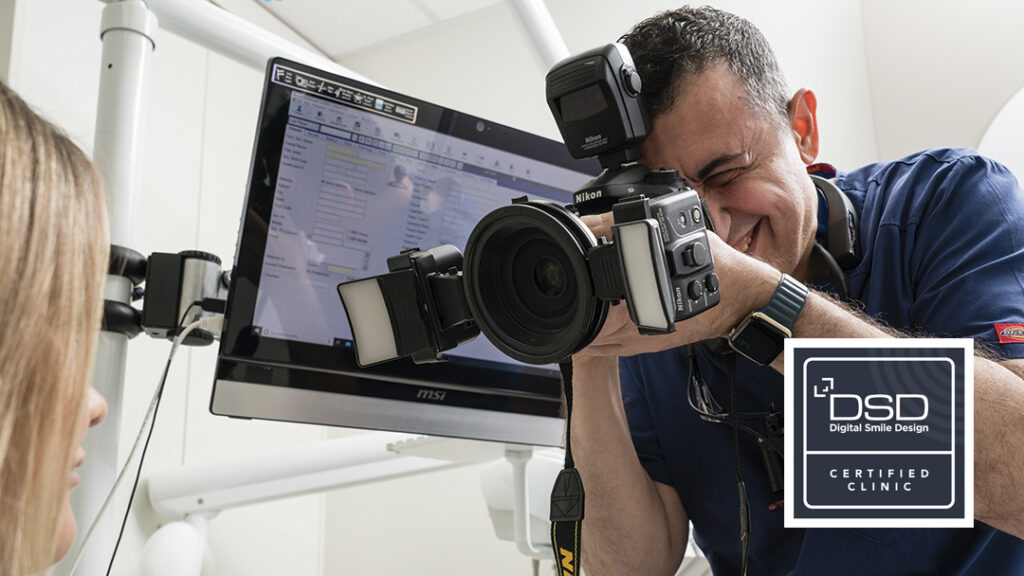
Next, you will undergo a dental exam in which digital images will be taken of your teeth. These images will be used to create a computer simulation of your new smile. Once you are happy with the results of the simulation, your dentist will begin creating your custom dental veneers.

The final step is to have your new veneers placed on your teeth. This process is usually completed in two visits to the dentist’s office. Afterward, you can enjoy your new and improved smile!

If you are considering undergoing the digital smile design process, be sure to schedule a consultation with your dentist. This is the best way to learn more about the procedure and to see if it is right for you.

Does Digital Smile Design Require Any Post-Care?

No, there is no post-care required after undergoing the digital smile design process. However, you will need to take care of your new veneers just as you would your natural teeth. Be sure to brush and floss regularly, and visit your dentist for regular checkups and cleanings.

Also, avoid chewing on hard objects, as this could damage your veneers. If you take care of your new smile, it can last for many years to come! Though, you may eventually need to replace your veneers due to wear and tear.

Does DSD Have Any Negative Side-Effects Due to Technological Involvement?

No, there are no negative side-effects associated with digital smile design. This is because the procedure is minimally invasive and does not require the use of any harsh chemicals or materials.

As you can see, digital smile design is a safe and effective way to improve your smile. If you are unhappy with your current smile, be sure to talk to your dentist about undergoing the DSD process.

Understanding the process as a whole and the possible outcome in your set of circumstances is of great benefit to ensure you make the right decision.

Who Invented DSD?

DSD was invented by Dr. Christian Coachman, a cosmetic dentist based in Brazil. Dr. Coachman developed the DSD system in order to provide his patients with the most natural-looking and esthetically pleasing results possible.

Moreover, Dr. Coachman is also the founder of the Digital Smile Academy, which is an educational institution that trains dentists in the use of DSD. The Digital Smile Academy offers courses that are both online and in-person, and it has trained over 15,000 dentists from all over the world.

If you are considering undergoing the digital smile design process, you should probably learn a little more about everything that might be worth understanding or comprehending.

The Benefits Provided: Enhanced Aesthetics

Digital Smile Design can provide you with many benefits, including enhanced aesthetics, improved self-esteem, and reduced treatment time. If you are not happy with your smile, DSD can help you achieve the perfect smile for your face.

Furthermore, the DSD process is minimally invasive and can be completed in as little as two visits to the dentist. This is greatly beneficial to the client because the most common dental procedures like Invisalign take a long time and can greatly affect patient morale.

Improved Function

In addition to providing enhanced aesthetics, DSD can also improve the function of your teeth. This is made possible through the use of computer-aided design and computer-aided manufacturing.

Also, DSD can be used to correct teeth that are misaligned, chipped, or discolored. If you have any of these issues with your teeth, DSD can help you achieve a more aesthetically pleasing smile.

Shorter Treatment Time

Another benefit of DSD is that it can shorten the treatment time for many dental procedures. This is because DSD is a minimally invasive procedure that does not require the use of any harsh chemicals or materials.

However, the length of time required for the procedure will vary depending on the specific case. In most cases, the entire process can be completed in two visits to the dentist’s office.

Oral Health

DSD can also help improve your oral health. This is because the process can help to reduce the amount of plaque and tartar on your teeth. Additionally, DSD can also help to improve the alignment of your teeth, which can lead to better oral hygiene.

Moreover, DSD can also help to reduce the risk of gum disease and tooth decay. This is because the procedure can help to remove any irregularities in your teeth that could trap food and bacteria.

When Do Dentists Use Digital Smile Design?

DSD can be used for a variety of different dental treatments, including veneers, crowns, implants, and teeth whitening. It is often used to correct cosmetic issues such as gaps, crooked teeth, or discoloration. Additionally, DSD can also be used to address functional problems such as bite misalignment or TMJ disorders.

If you are considering undergoing dental treatment, you should speak with your dentist about whether or not DSD would be a good option for you. Knowing why, what, when, and how is possibly more important than the procedure itself; take your time to research and make the right decision.

In essence, the situations that warrant DSD are:

In-Dental Treatment

This category includes all treatments that involve the alteration of natural tooth structure. This includes veneers, crowns, and implants.

Out-of-Dental Treatment

This category includes all treatments that do not involve the alteration of natural tooth structure. This includes teeth whitening and orthodontics.

Smile Makeover

This category refers to any treatment that is performed for purely cosmetic reasons. Also, it should be noted that a smile makeover can involve multiple dental treatments, both in-dental and out-of-dental.

Function Restoration

This category refers to any treatment that is performed to improve the function of your mouth. This includes bite correction and TMJ treatment.

Differences Between Digital Smile Design & Typical Cosmetic Dentistry

While DSD and typical cosmetic dentistry share some similarities, there are also some key differences between the two. The most notable difference is that DSD is a much more comprehensive approach to smile enhancement.

Cosmetic dentistry typically focuses on correcting one or two specific dental issues. However, DSD takes a holistic approach that considers all aspects of your smile. This includes your teeth, gums, lips, and facial muscles.

Another key difference is that DSD uses computer simulations to give you a preview of your new smile. This allows you to see what your smile will look like before any treatment is actually performed.

Finally, DSD is less invasive than traditional cosmetic dentistry procedures. This means that the risks and side effects are typically much lower.

How Much Does It Cost to Get Digital Smile Design?

The cost of DSD will vary depending on the specific treatment plan that is recommended. However, in general, DSD is more expensive than traditional cosmetic dentistry procedures.

This is because DSD is a newer and more complex approach to smile enhancement. Additionally, the use of computer-aided design and computer-aided manufacturing technology comes at a higher cost.

On average, the cost for DSD is between $500 and $3000. However, some of the varying factors are:

  • The number of treatments that are required
  • The type of treatments that are recommended
  • The geographical location

Certainly, this list is not meant to be exhaustive by any means, as it includes more than what is presented.

Alternatives to Digital Smile Design

If you are interested in improving your smile, but DSD is not an option for you, there are other alternatives to consider.

Cosmetic dentistry procedures such as veneers, crowns, and teeth whitening can all be used to improve the appearance of your smile. However, it is important to note that these treatments are typically less comprehensive than DSD.

Another alternative is orthodontics. Orthodontic treatment can be used to address both cosmetic and functional dental issues. However, it should be noted that this type of treatment can take several months or even years to complete.

Finally, you could also simply make some lifestyle changes that would improve the health and appearance of your smile. This includes quitting smoking, eating a healthy diet, and practicing good oral hygiene.

While DSD is an effective treatment option for many people, it is not the only option. If you are interested in improving your smile, be sure to talk to your dentist about all of the different treatment options that are available to you.

Digital Smile Design Done Right

When it comes to smiling enhancement, Digital Smile Design is the most comprehensive and innovative approach available.

By considering all aspects of your smile, DSD can help you achieve the results you desire. Additionally, the use of computer simulations allows you to see what your new smile will look like before any treatment is performed.

Although DSD may be more expensive than traditional cosmetic dentistry, the results are worth the investment. When searching for a dentist to perform DSD, be sure to find one with extensive experience and training in this cutting-edge technology.

If you’re interested in getting your DSD done with a specialized company, get in touch with us.

A Complete Guide to Cosmetic Dentistry

Cosmetic dentistry is a $6.9 billion market. Through this practice, dentists help people feel better about the look and feel of their smiles.

This cosmetic dentistry guide will tell you everything you need to know about types of procedures and their costs. Plus, we’ll give you tips for finding the right cosmetic dentist for your needs.

If you’re considering a cosmetic procedure for your teeth, keep reading to have all your questions answered.

Types of Cosmetic Dentistry

When we say cosmetic dentistry, what do you think of? Maybe you think of a whiter, straighter smile. Or maybe you think of a mouth full of veneers.

In either case, you would be right. Cosmetic dentists administer a wide range of procedures. Below, we’ve listed some of the most popular ones in Australia.

Teeth Whitening

Teeth whitening is the most-requested cosmetic dentistry procedure in Australia. According to Azusa Pacific University, more than 2 million Australians get their teeth whitened per year.

It is extremely common for people to develop tooth stains. Discoloration can occur due to genetics and lifestyle factors (e.g., smoking).

Getting your teeth whitened is one of the more affordable ways to fix up your smile. It will also offer immediate and visible results.

You can purchase teeth whitening kits over the counter. Or you can get your teeth professionally whitened at a dentist office.

Dentists use hydrogen peroxide and other bleaching ingredients to lighten your teeth by a few shades. You will see faster results if you choose professional whitening.

Teeth Straightening Procedures

Teeth straightening are another popular cosmetic procedure for people who have an improper bite, gapping, or crooked teeth. Another word for teeth straightening procedures is orthodontics.

Over 1.5 million Australians get one or more orthodontics treatments annually. And not all of these people want straighter teeth due to the problems we mentioned above. Some people choose orthodontics for aesthetic purposes.

The most common types of teeth straightening procedures are braces and Invisalign clear aligners.

Braces have been around since the 1700s. But dentists didn’t start using them regularly until the mid-1970s.

Braces consist of brackets that adhere to your teeth and metal wires that string the brackets together. Orthodontists strategically tighten those wires to progressively shift teeth into the desired position.

Invisalign is a newer invention in orthodontics. Invented in 1997, the FDA approved clear aligners in 1998. Today, Invisalign has replaced braces as the teeth straightening procedure of choice.

Dental Veneers

With over 1 million Australians getting this procedure done annually, dental veneers are the third-most-popular cosmetic dentistry procedure in Australia.

Dental veneers are made of tooth-colored porcelain or ceramic. Dentists apply these custom-made covers to the outside of the teeth. People ask for this procedure to improve the color, size, or shape of one or more teeth.

Veneers can also help eliminate gaps between teeth. In this sense, this procedure can sometimes be an alternative to teeth straightening procedures.

Dental Bonding

Bonding is an alternative procedure to getting dental veneers. It fixes many of the same problems as traditional porcelain veneers.

Yet, dental bonding is more affordable than porcelain and ceramic veneers. That is because dental bonding uses less expensive resin rather than pricey porcelain or ceramic.

Dentists apply the soft resin material to the outside of the target tooth or teeth. Then, the dentist uses UV light to harden the material. Finally, the dentist shapes and polishes the tooth to match the rest of the smile.

This process leads to a better-looking smile, although bonding is not as natural-looking as porcelain and ceramic veneers.

Dental Contouring

Another way to change the look of your teeth without having to get veneers is with dental contouring. This type of cosmetic dentistry procedure can alter the height, shape, and size of your teeth.

A cosmetic dentist will use a powerful file to shave down your teeth. They can remove cracks and chips, change the tooth shape, or even reduce the appearance of gapping.

Contouring can completely change the look of your smile. And it is more affordable than veneers and bonding.

Dental Implants

The average Australian adult has between four and five missing teeth. Maybe that is why dental implants are so common.

Unlike veneers and bonding, implants completely replace teeth. They do not simply cover up the existing tooth. And implants function like natural teeth.

Implants are made up of a titanium screw and a strong and durable tooth-like cap. Dentists must surgically adhere the titanium screw to the jawbone. The implant will last 15 or more years, depending on how well you care for it.

Some people prefer bridges and dentures to implants. That is because bridges and dentures can replace multiple missing teeth at once. They are also more affordable than getting a mouth full of implants.

Bridges can replace 1–2 missing teeth in a row. Some people also ask for implant-supported bridges for more than two missing teeth. Implants anchor each side of the bridge, but the inner tooth or teeth are not implants.

All-on-4 dentures are meant for people who need to replace almost all or all their teeth. Implants also secure either end of the denture, but the in-between teeth are not implants.

Gum Re-Shaping

People with too much or too little gums often get gum re-shaping procedures. The former is typically a cosmetic procedure. But having receding gums can be medically necessary in some cases.

Too much gum tissue can cause what dentists refer to as a “gummy” smile. Gummy smiles feature gums that cover too much of the tooth. Or a gummy smile could feature noticeably uneven gums.

Dentists can address this problem using gum re-shaping, also known as gum contouring. During this procedure, the dentist will shave back the extra gum tissue. This contouring can result in larger, longer-looking teeth.

Too little gum tissue is a condition called receding gums. Gum disease is one of the most common causes of a receding gumline. And three in 10 Australian adults suffer from moderate to severe gum disease due to poor oral hygiene.

To fix the receding gumline, dentists apply gum grafts. These grafts can prevent further recession, which will reduce the chances of your teeth falling out.

Also, receding gumlines can lead to an increased risk of future gum disease. Getting gum re-shaping done can help restore your smile and boost your dental health.

Fillings and Crowns

Fillings and crowns are not always considered cosmetic dentistry procedures. That is because they are medically necessary for treating cavities and tooth decay.

However, certain types of fillings and crowns are more cosmetic than others. For example, people can ask for tooth-colored fillings and crowns.

Though not necessary to treat tooth decay, these options are far more aesthetic than cheaper materials.

Inlays and Onlays

Inlays and onlays are alternatives to fillings and crowns. But like fillings and crowns, these treatments can be cosmetic or medically necessary.

When medically necessary, inlays and onlays treat tooth decay that has damaged a large portion of the tooth. The tooth isn’t large enough or strong enough to support a filling.

Sometimes, people have enough tooth surface and strength for fillings, but they prefer an inlay or onlay. This preference may be due to the fact that inlays and onlays are more durable than fillings.

In this case, the procedure would be cosmetic. And the procedure would especially be cosmetic if the dentist uses tooth-colored materials.

Does Insurance Pay for Cosmetic Procedures?

Insurance pays for cosmetic procedures in some cases. But it depends on whether the policyholder requires the treatment to restore his or her oral health.

In other words, insurance will only pay for procedures that are medically necessary. Medically necessary procedures can include:

  • Gum grafts
  • Fillings
  • Crowns
  • Inlays and Onlays

How much of the procedure insurance covers also depends on medical necessity. For example, if you need a filling for a cavity, insurance covers it. But if you request more expensive filling materials because they look better, insurance may only cover the cost of the standard, less pricy material.

If you get a dental procedure done purely for aesthetic purposes, that is a cosmetic dental treatment. And insurance will not cover the cost.

How Much Do Cosmetic Dentistry Procedures Cost?

Now that you understand the difference between medically necessary and cosmetic dentistry, you are probably wondering about the cost of cosmetic procedures. Prices vary by treatment and other factors.

Here are the price ranges for some of the cosmetic procedures we mentioned above:

  • Teeth Whitening: Professional whitening can cost anywhere from $250 to $650 per session
  • Teeth Straightening: The cost to straighten your teeth varies by method and severity, ranging from $5,000 to $9,000
  • Veneers: A full set of porcelain veneers will cost over $2,000 per tooth, while dental bonding only costs around $500–$750 per tooth
  • Implants: One implant costs anywhere from $3,000 to $5,500, while all-on-four dentures might cost as much as $27,000
  • Dental Contouring: This procedure is one of the more affordable ones at only $195 per tooth
  • Gum Re-shaping: A single session of gum re-shaping surgery can cost anywhere from $200–$300 per tooth
  • Cosmetic Fillings: Tooth-colored fillings cost $135–$240 per tooth

Even though insurance doesn’t cover these procedures, there are ways to save. For example, Invisalign typically costs more than braces. And ceramic braces can cost less than metal braces.

But do not just consider the procedure’s price tag when determining affordability. For example, porcelain veneers are more expensive than composite ones. But porcelain lasts longer, which can save you thousands of dollars in the long run.

Why Are Dental Treatments So Expensive in Australia?

It is no secret that dental work is expensive in Australia. But why exactly is this the case?

The Australian government requires all dental products to comply with the standards of the Therapeutic Goods Administration (TGA). TGA has strict requirements surrounding the quality of dental instruments.

When dentists have to pay more for their equipment, their costs go up. Dentists offset this problem by passing the extra costs onto you— the patient. This cost-sharing results in a higher price tag for procedures and especially cosmetic procedures.

At the same time, it is a good thing that the TGA has strict standards. These standards ensure that Australians get the highest-quality, safest treatments possible.

How to Find the Right Cosmetic Dentist for You

Now that you understand the types of cosmetic procedures and their costs, are you ready to schedule your visit? First, you have to find the perfect cosmetic dentist near you.

Here are our top three tips for doing just that.

Ask for Referrals

Do you have a friend or family member who has undergone the cosmetic dentistry procedure you want? If so, that is a great place to start. Ask for a referral if your friend or family member was satisfied with their dentist’s work.

Check Out the Dentist’s Credentials

Once you have a short list of dentists to check out, it is time to evaluate their credentials.

Some things to look for include where the dentist went to school, any special certifications he or she holds, and what professional association he or she is part of.

Inquire About Pricing

A good cosmetic dentist should offer you a price list when you inquire about a procedure. What’s more, cosmetic dentists should offer financing plans if you can not afford the procedure you want.

Inquire About These Cosmetic Procedures at JustSMILE

Cosmetic dentistry covers dozens of procedures, from teeth whitening to cosmetic fillings. Insurance may cover a portion of the cost if part of the procedure is medically necessary. Otherwise, you will have to pay out of pocket for these treatments.

Are you searching for a cosmetic dentist in Ramsgate or Woollahra? Contact JustSMILE Dental Clinic today to book your first appointment!

How to Fix a Gummy Smile With Gum Contouring

Did you know that one out of four people in Australia is self-conscious because of their smiles? Some people are so embarrassed by how their teeth and gums look that they may try to keep themselves from smiling or laughing. This, of course, is no way to live, and no one should ever be ashamed of their smile, and that’s why dental procedures exist.

Gum contouring is an especially important procedure for those who suffer from gummy smiles. What is a gummy smile, you might ask? A gummy smile, also known as excessive gingival display, is when a large amount of your gums show when you smile.

This can make your smile look “gummy.” But why does a gummy smile happen in the first place, and what can cosmetic dentistry do to fix this problem? Keep reading and learn all about the science behind gummy smiles with this gum contouring guide.

Why Do Gummy Smiles Happen Exactly?

There is no exact definition for a gummy smile, but a person generally has a gummy smile of a large portion of his or her gums show when smiling, usually on the upper jaw. This does not necessarily mean that you have excess gingiva. Rather, your smile may appear gummy depending on the length of your teeth, the way your lips move when you smile, and the position of your jaw.

If around 4 mm or more of gingiva shows when you smile, this can be considered a gummy smile. Anything less than 3 mm of gingiva is usually not considered a gummy smile. This kind of smile can cause people a lot of problems with their self-esteem.

Unlike other dental problems, brushing and flossing your teeth won’t fix your gummy smile. But why does this type of smile occur in the first place? It usually has to do with genetic factors.

For example, if your parents or siblings have gummy smiles, it is likely that you will also have a smile of this type. The problem may have something to do with how your teeth grew in. If you have particularly long teeth, this means that your teeth overerupted when they first came in.

When this happens, the gum line often follows the length of the teeth and continues to grow along with them. This increases the length of the gum line and can often result in a gummy smile. This is especially common if your gums covered a significant amount of your adult teeth when they first erupted.

Causes of Gummy Smiles

The more of your teeth the gums cover, the more substantial the gingiva tends to be later on. However, a gummy smile may also result from excessive bone growth. The maxilla is the bone of your upper jaw.

Again, due to genetics, some people experience excessive growth in this bone. If this bone becomes unusually lengthy, your gums will grow to cover the bone, and this can lead to a gummy smile. In rare cases, some medications can cause gummy smiles as well.

For example, some anti-seizure medications cause a problem known as gingival hyperplasia. This is when your gums start to grow excessively around your teeth. If you think this is the case with your gummy smile, it is important to stop taking that medication and get dental treatment as soon as possible.

Gingival hyperplasia often leads to periodontal disease, which can be dangerous since it can lead to tooth loss if untreated. In the case of normal gummy smiles caused by genetic factors, you might be wondering if there is anything you can do to fix the problem. There are many treatment options to choose from, but one of the most effective is gum contouring.

What You Need to Know About Gum Contouring

Gum contouring is also known as gingival sculpting. Its aim is to reduce the appearance of your gums so that you no longer have a gummy smile. This is possible by removing some of the gingivae at the tops of your teeth.

However, in some cases, gum contouring may also be used to restore gum tissue if you are suffering from receding gums. Most of the time, gum contouring is not necessary as a medical procedure. Only in rare cases such as periodontal disease may this be considered a medical procedure.

In that case, your dentist would use gum contouring to remove diseased gum tissue. This can prevent periodontal disease from getting any worse. However, it is usually done for cosmetic reasons.

For that reason, it is not covered by dental insurance, and you will have to pay for it out of your own pocket. Gum contouring is always conducted by a specialist who is familiar with gums and their importance to your overall dental health. This is important because if you get too much of your gingiva removed, you could suffer from exposed dental roots or experience tooth sensitivity as a result.

But when done properly, you should not need to worry about any dental problems, and you should be free of your gummy smile. But what should you expect from this kind of procedure, you might ask?

The Details

The first thing you should know is that your dentist (usually a cosmetic dentist or a periodontist) will use a special laser or a scalpel to cut away your excess gingiva.

This may sound like a painful and serious procedure, but it is actually quite painless and straightforward. Before you go in for this procedure, you will first need to consult with your dentist and discuss what kind of results you’re hoping to achieve from this procedure. Your dentist will also give you some pointers and tell you what is realistically achievable with gum contouring.

Once your consultation is over, you’ll need to make an appointment for the gum contouring procedure. There is not much preparation needed for this procedure, but your teeth should be clean when you go in for the appointment.

Understanding the Gum Contouring Procedure

You only need one appointment for this procedure, and it is typically performed in your dentist’s office. You will be awake for the duration of the procedure, but keep in mind that you should not feel any pain. This is because your dentist will give you a local anaesthetic.

This will numb the treatment area. If anything, you might feel some pressure in the treatment area, but not pain. There are two ways of proceeding with the procedure: a laser or a scalpel.

When using a scalpel, the dentist will carefully cut away the excess gingiva around your teeth. This will expose a larger amount of your teeth without exposing the roots of the teeth. When using a scalpel, sutures will be necessary to close the cut portions of the gums.

These sutures will either dissolve on their own after a certain period of time, or your dentist will remove them at a later time. When using a laser, sutures are not usually necessary. This is because the laser will cauterize the treatment area and close the cut portions of the gingiva.

Using a laser is often preferred by many dentists today for many reasons. Namely, using a laser speeds up the healing process and also reduces the chance of infection. This is because the heat of the laser burns away any bacteria in the treatment area.

It also reduces bleeding due to its cauterizing effect. Your dentist will work to reshape your gums and secure them around the tops of your teeth. That way, when the gums start to heal, they will heal in the right position.

What You Need to Know

This new position will reduce the appearance of the gummy smile you originally had. The length of the entire procedure will depend on a variety of factors. Usually, it lasts between one and two hours.

If you have a lot of gum to work with, the procedure may take even longer. The cost of the procedure can also vary depending on how much of your gingiva you are getting treated. For example, if you are only treating excess gum growth on one tooth, you may only need to pay a few hundred dollars.

On the other hand, if you want to cut away the excess gingiva for your entire top row of teeth, you may end up spending a few thousand dollars instead. It is not usually more than $3,000 to do this.

Again, because this is typically a cosmetic procedure, dental insurance will not cover it, and you will have to pay for the procedure yourself. However, if you need to get this procedure done for medical reasons such as for treating periodontal disease, it may be possible to get your dental insurance to cover it.

Once the procedure is done, you can go home and resume your life. However, you will need to take special care of your gums until they heal.

How to Recover From Gum Contouring

The recovery time for gum contouring can vary between a few days to a few weeks. The length of the recovery period will depend on how much gingiva you had removed. The more gingiva you removed, the longer you will need to recover, and this is especially true if you treated multiple teeth at once.

In the days following the procedure, you will notice that your gums will be red, tender, and swollen. These are all normal side effects, and you shouldn’t worry about them as they will go away on their own. However, if you think you are experiencing unusually severe swelling or pain, you should consult with your doctor as you may have contracted an infection.

If your dentist treated your gums with a laser, an infection will not be very likely. For the first few days, you will want to avoid anything that may irritate your gums, such as hard foods. For that reason, eating soft foods such as soup or yoghurt will be a good idea.

Your dentist will have likely given you some advice on how to recover from this procedure and which foods you should avoid until your gums start to heal. After about a week, you will need to return to your dentist for a follow-up appointment.

This will give your dentist a chance to look over your gums and make sure they’re healing properly.

The Healing Process

Your dentist can also check if there are any signs of an infection. Your dentist will likely you prescribe you an antibiotic to take while you heal.

This will reduce your risk of infection. This is important because an infection could ruin the recovery process and, in some cases, it could be dangerous to your overall health. For a few days after the procedure, your gums may also hurt, especially once the local anaesthetic wears off.

To treat this pain, it will be a good idea to use some OTC pain medication. Eating cold foods or holding an ice pack against your mouth will also help since the cold can help numb the pain and reduce any swelling you may have. After about a week, your gums should be mostly healed, and you can admire the results of the gum contouring procedure.

All About Gum Contouring

Gum contouring is a procedure designed to treat gummy smiles. A gummy smile is a smile that displays excess gingiva. This usually occurs due to genetic factors.

Gum contouring works by cutting away this excess gingiva and revealing more of the teeth underneath. This can be very beneficial to those who are embarrassed by their gummy smiles. To learn more about treating this dental problem with gum contouring, don’t hesitate to contact us here.

Book Now
To book an appointment, fill in the form and our team will respond.
You must agree to the Terms of Use
Powered by EZMarketer™
Need Help? Text Us.
Enter your details and message then check your phone to chat with us by text.
By submitting, you authorize our practice to send email/text messages to the provided channels. Message/data rates may apply.
Powered by EZMarketer™
Terms & Conditions
Free Smile Assessment Offer:
  1. Must be over 18 years of age
  2. Free Smile Assessment consultation must be face to face
  3. Includes : Smile analysis, Facial lines and asymmetries, Teeth size, shape and position analysis, Teeth color recording, Jaw analysis, General tooth and gum health assessment and advise on the suitability for Invisalign or other Smile Make-Over procedures and recommendations.
  4. Does not include a full examination, x-rays or a scale and polish.
  5. Free Smile Assessment offer can be used in conjunction with other offers such as Whitening, Check up and Polish, and Invisalign offers.

Any surgical or invasive procedure carries risk. Before proceeding, you should seek a second opinion from an appropriately qualified health practitioner. This offer may change without notice.

Smile Deals® Offer Details

These Smile Deals® Offers presented by Dr. Rammo and justSMILE are valid as stated on the page these offers were found. These offers may change without notice.

Smile Assessment & Consultation Offer

  • The Smile Assessment & Consultation includes smile analysis, facial lines and asymmetries, teeth size, shape and position analysis, teeth colour recording, jaw analysis, general tooth and gum health assessment and advice on the suitability for orthodontics (e.g. Invisalign), general or cosmetic dentistry service.
  • The Smile Assessment & Consultation does not include an examination or x-rays.
  • This offer can be used in conjunction with other offers, including Invisalign Clear Aligner, Teeth Whitening or Check Up & Clean offer.

$199 Check Up & Clean Offer

  • The $199 Check Up & Clean offer includes a full examination and charting including periodontal or gum assessment with treatment recommendations and oral hygiene advice, jaw joint assessment, smile assessment, oral cancer screen, diet analysis and advice, two (2) intra-oral bitewing x-rays, scale and polish.
  • In order to provide you with the best of care and assessment, additional records may be required by the dentist at this examination appointment. Additional records may include clinical intraoral and extraoral photographs , OPG radiograph, lateral cephalometric radiograph which are not included in this deal, and may be performed during the examination process at additional charge or at the dentist’s discretion for a rebate only fee if you have private health insurance that covers the additional items. Should you object to having additional records taken, please inform the front office coordinator at the time of booking your appointment.
  • A scale and clean is provided to you assuming that there is no active gum disease such as gingivitis and periodontitis. Scale and clean does not substitute for the need of gum treatment.
  • This offer can be used in conjunction with other offers, including the Free Smile Assessment, Invisalign Clear Aligner or Teeth Whitening offer.

Invisalign Clear Aligners Offer

  • After your Free Smile Assessment & Consultation visit, if the doctor feels you are eligible for Invisalign Clear Aligners, you can receive the treatment for $6500 for a moderate case.
  • This Smile Deals® Offer does not include the price for retainers.
  • This offer includes all in-office follow up visits relating to your Invisalign Clear Aligners.
  • This offer can be used in conjunction with other offers, including the Free Smile Assessment, Teeth Whitening or Check Up & Clean offer.

Teeth Whitening Offer

  • After your Free Smile Assessment & Consultation visit, if the doctor feels you are eligible for Teeth Whitening, you can receive the Whitening service for $599. 
  • This offer can be used in conjunction with other offers, including the Free Smile Assessment, Invisalign Clear Aligner or Check Up & Clean offer.

How to Redeem These Offers

To claim any of these Smile Deals® Offers:

  1. Book an appointment.
  2. Mention the relevant Smile Deals Offer at the time of booking or treatment.
  3. Present the promotional Smile Deals® Offer voucher or QR Code (if provided) at reception.

Offer Restrictions

The following restrictions apply to the eligibility and use of all Smile Deals® Offers:

  • You must be a new or existing patient of  Dr. Rammo or justSMILE.
  • You must be 18 years or older at the time of receiving the dental treatments or if a minor, accompanied by a parent or legal guardian.
  • Except where expressly stated above, only one Smile Deals® Offer can be redeemed per person.
  • Except where expressly stated above, the Smile Deals® Offers cannot be used in conjunction with any other offers.
  • The Smile Deals® Offers are not redeemable for cash and cannot be transferred.
  • The Smile Deals® Offers are subject to appointment availability.
  • All treatments are subject to the dentist’s clinical assessment of suitability for you.

*Offers may not be suitable for all patients. Always consider your financial situation before committing to an offer or payment plan. Any surgical or invasive procedure carries risk. Before proceeding, you should seek a second opinion from a qualified health practitioner.

Need Help? Text Us.
Enter your details and message then check your phone to chat with us.